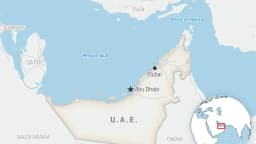
The Organization of the Petroleum Exporting Countries (OPEC) represents one of the most influential cartels in global commerce, wielding significant control over international energy prices. According to reporting from the New York Times, the consortium of oil-producing nations has historically supplied more than 25 percent of the world's crude oil, giving member states considerable leverage over global markets. For Atlanta-based companies in transportation, logistics, and manufacturing, OPEC's decisions directly impact operational costs and supply chain efficiency.
OPEC's influence extends far beyond the Middle East and Africa—it shapes economic conditions for businesses worldwide. Member states coordinate production levels and pricing strategies to manage market conditions, a practice that can either stabilize or destabilize energy costs depending on geopolitical circumstances. Georgia's energy-intensive industries, from port operations at the Port of Savannah to distribution centers throughout the state, remain vulnerable to sudden price fluctuations triggered by OPEC policy shifts.
The cartel's historical impact on petroleum markets demonstrates how concentrated resource control can create market volatility. From supply disruptions to strategic production cuts, OPEC members have repeatedly influenced global energy prices through collective action. For Atlanta business leaders, understanding these dynamics is essential for forecasting operational expenses and maintaining competitive advantage in price-sensitive sectors.
As energy markets continue to evolve with renewable alternatives gaining prominence, OPEC's traditional leverage may gradually diminish. However, for the foreseeable future, the organization will remain a critical factor in petroleum pricing that Atlanta companies must monitor. Businesses should consider hedging strategies and diversified energy sourcing to mitigate exposure to OPEC-driven price shocks.