Photo via Fast Company
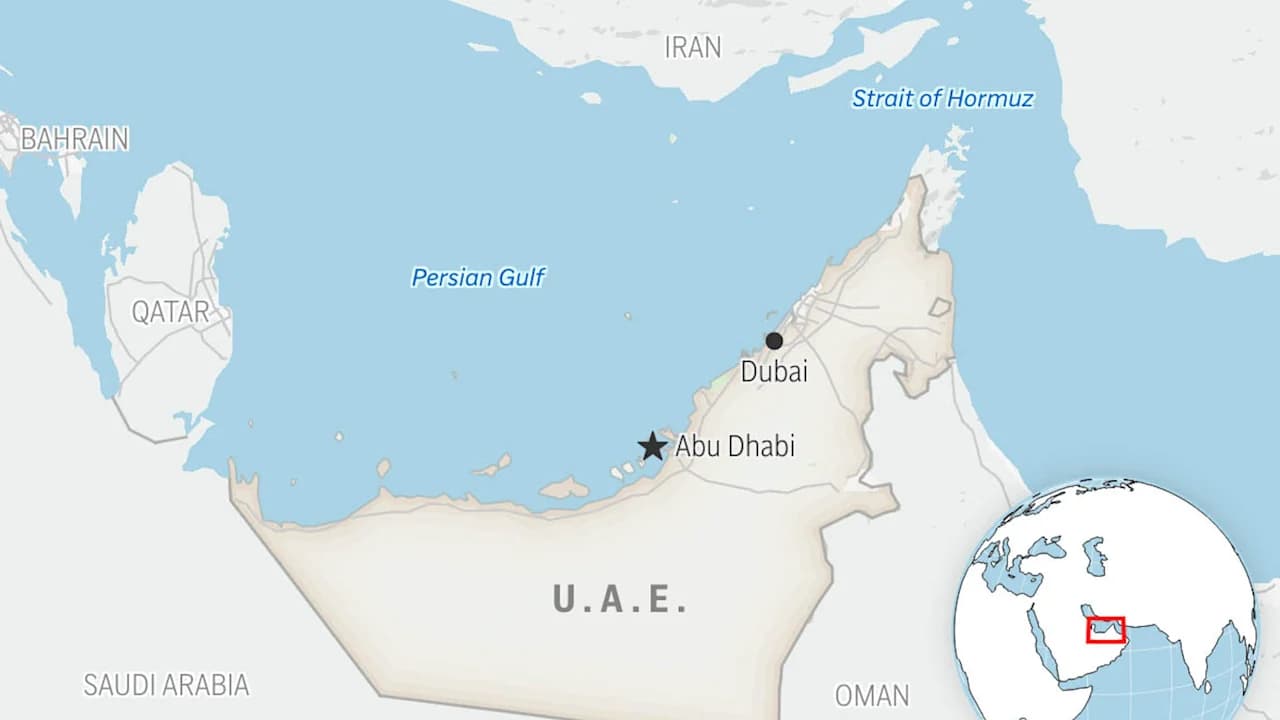
The United Arab Emirates announced it will withdraw from OPEC on May 1, marking a significant blow to the oil cartel's cohesion and market control. The move stems from longstanding frustration with production quotas the UAE deemed too restrictive, preventing it from maximizing output from recently expanded capacity. According to Capital Economics analysis, the UAE has sought greater flexibility to pump oil at levels closer to its 5 million barrel-per-day capacity, compared to its pre-war production of 3.4 million barrels daily.
The withdrawal reflects broader fragmentation within OPEC, following Qatar's departure in 2019 and the cartel's diminishing influence over global supplies. The United States now produces over 13 million barrels per day—substantially more than Saudi Arabia's 10 million—undercutting OPEC's traditional leverage. For Atlanta businesses dependent on stable energy costs, particularly in logistics and manufacturing, this structural weakening of price-setting mechanisms could introduce both opportunities and volatility in fuel and operational expenses.
Regional geopolitics appear to fuel the UAE's decision, with tensions escalating between the Emirates and Saudi Arabia over competing economic and political interests in the Middle East. The UAE's dispatch of its foreign minister rather than its ruler to a Gulf Arab summit in Saudi Arabia signals strained relations, despite public assurances of respect between the nations. According to energy policy experts, the UAE's exit provides strategic flexibility in cultivating relationships with major energy consumers, including China.
While immediate market disruption appears unlikely due to constrained global supplies from regional conflicts, the UAE's departure fundamentally weakens OPEC's ability to stabilize prices. Rystad Energy analysts note that the loss of one of the cartel's few members capable of rapid production increases leaves the organization with less spare capacity to manage supply shocks—a consideration for Atlanta's energy-intensive industries as they plan for longer-term cost structures.