Photo via Fast Company
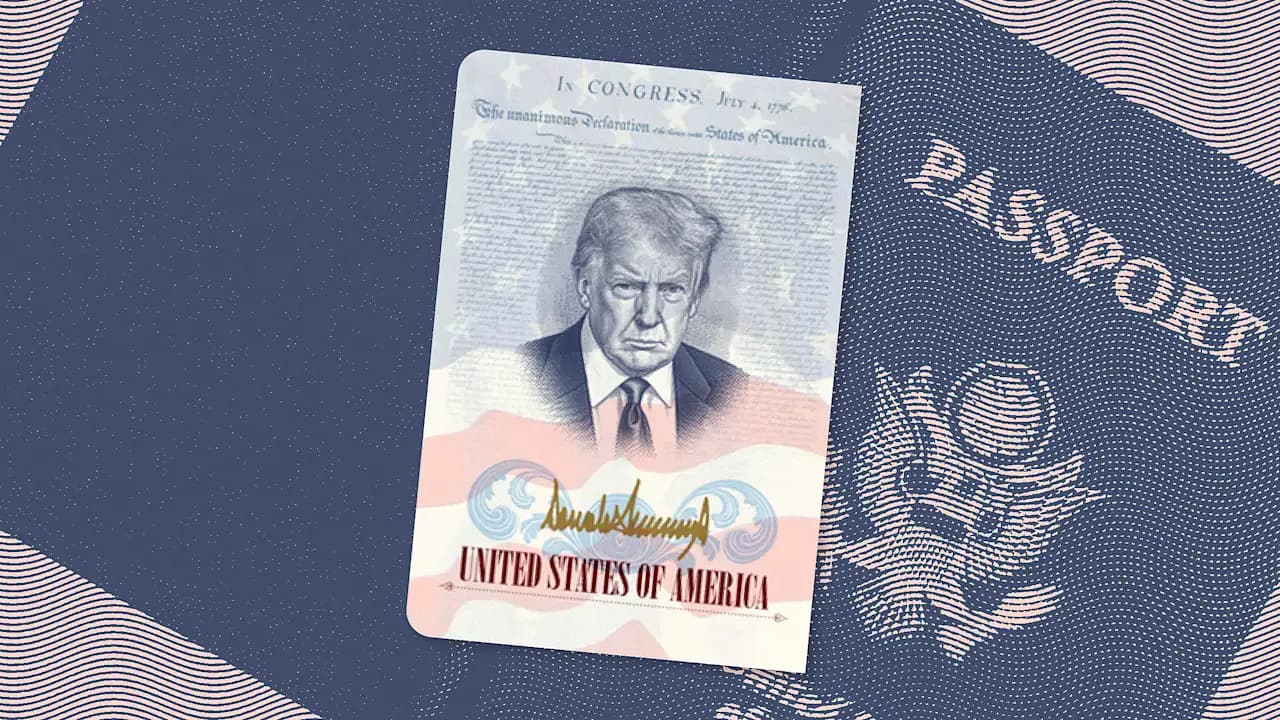
The State Department's announcement of limited-edition passports featuring President Trump's portrait, available only at the Washington D.C. office, illustrates what analysts describe as intentional 'rage bait' marketing—a strategy designed to maximize negative media coverage and public discourse. According to Fast Company, the passports will commemorate the nation's 250th anniversary but will feature Trump's portrait instead of historical figures like Francis Scott Key, with availability potentially capped at just 25,000 units, making them inaccessible to most Americans seeking international travel documents.
This move represents a broader pattern within the administration of embedding the president's name and likeness into federal institutions and products. Trump has renamed institutions including the Kennedy Center and U.S. Institute of Peace, created TrumpRx as a national drug provider, and mandated his portrait appear on 2026 national park passes—ensuring citizens cannot access these services without displaying his image. Each action has generated significant media backlash while achieving limited practical implementation, suggesting the controversy itself may be the intended outcome.
The strategy mirrors the administration's attempted $5 million gold visa card for wealthy foreign investors, which generated extensive media coverage but resulted in only a single sale as of late April. This pattern suggests federal resources are being directed toward initiatives designed primarily for their shock value rather than functional utility. For Atlanta's business community, the implications extend beyond novelty—federal policy increasingly reflects branding priorities over operational effectiveness.
Understanding this communication approach is critical for local executives navigating federal compliance and policy landscapes. When federal initiatives prioritize media provocation over practical governance, businesses must independently assess the durability and legitimacy of regulatory changes. Atlanta-based companies engaged with federal agencies should distinguish between substantive policy shifts and attention-grabbing announcements lacking enforcement capacity or long-term commitment.