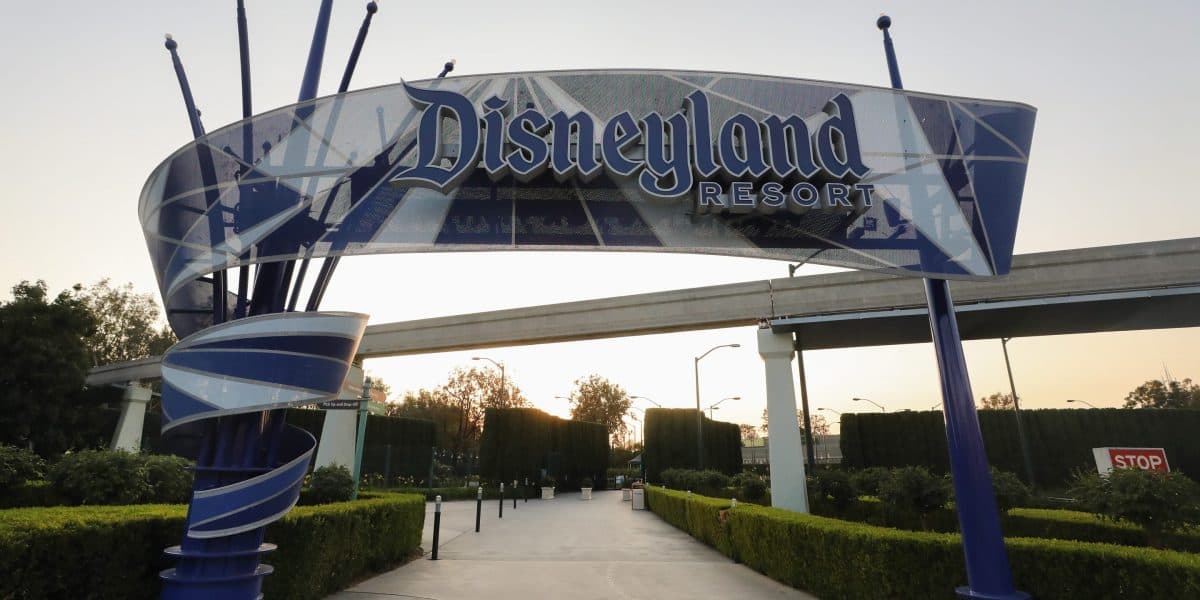
Photo via Fortune
Major entertainment venues are increasingly turning to facial recognition technology to streamline operations and reduce wait times. According to Fortune, Disneyland has implemented the system to improve crowd management, though the move has sparked concern among guests who were unaware the technology was optional. This trend reflects a broader shift across the hospitality and retail sectors as companies seek operational efficiencies through biometric data.
For Atlanta-area businesses—particularly in hospitality, retail, and entertainment—the Disneyland case study offers important lessons about consumer expectations and transparency. Georgia retailers and venue operators considering similar technologies should note the backlash when customers feel data collection happens without clear consent. Atlanta's thriving tourism and entertainment sectors, which generate significant economic activity, must balance innovation with guest trust.
The privacy implications extend beyond operational convenience. Facial recognition systems collect sensitive biometric data that raises questions about storage, usage, and third-party sharing. Businesses in Atlanta should consult with legal and compliance teams before implementing such systems, as customer awareness and opt-in mechanisms appear crucial to avoiding reputational damage.
As technology adoption accelerates across Georgia's major industries, transparency will likely become a competitive advantage. Companies that clearly communicate how they use guest data and make participation genuinely voluntary may find they maintain customer loyalty while still achieving operational improvements. The lesson from Disneyland suggests that innovation without informed consent can undermine the customer experience it aims to enhance.