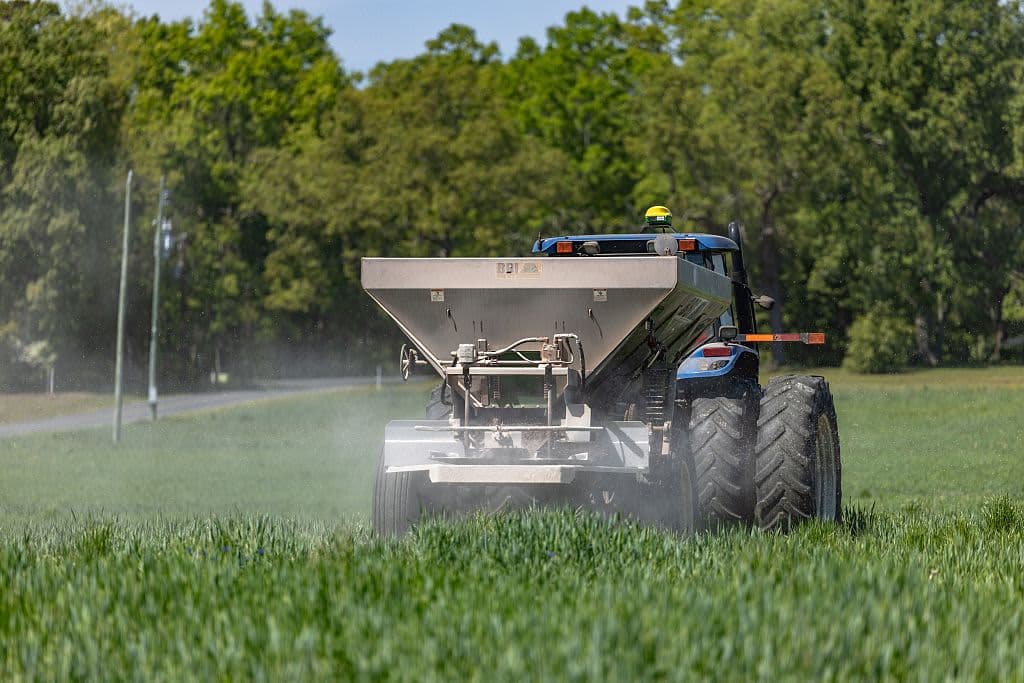
Photo via CNBC Business
According to a CNBC Business survey, nearly 60% of American farmers are experiencing financial strain as input costs continue to climb. The primary culprits are rising fertilizer prices—exacerbated by global shipping disruptions—and elevated fuel expenses. For Georgia's agricultural community, which contributes over $100 billion annually to the state's economy, this cost squeeze presents a significant challenge to profitability and operational sustainability.
The fertilizer cost crisis stems largely from international supply chain complications that have driven prices to historic levels. Farmers nationwide are responding by implementing cost-cutting measures, including reducing fertilizer applications and delaying equipment purchases. These cutbacks, while necessary for short-term cash flow management, risk compromising soil health and future crop yields—consequences that could ripple through Georgia's farming regions and downstream food processing industries.
For Atlanta-area businesses dependent on agricultural supply chains—including food manufacturers, distributors, and retailers—the survey results signal potential supply constraints and higher commodity costs. Georgia's significant poultry, pecan, and commodity crop operations could see reduced productivity if the financial pressures on farmers persist, ultimately affecting wholesale prices and consumer goods availability throughout the Southeast.
Industry analysts suggest that continued monitoring of farmer sentiment and input costs will be critical for Georgia businesses reliant on stable agricultural production. Policymakers and agribusiness leaders should consider how supply chain resilience and input cost mitigation strategies might insulate the state's farming sector from further deterioration, protecting both rural economies and the broader regional food supply network.