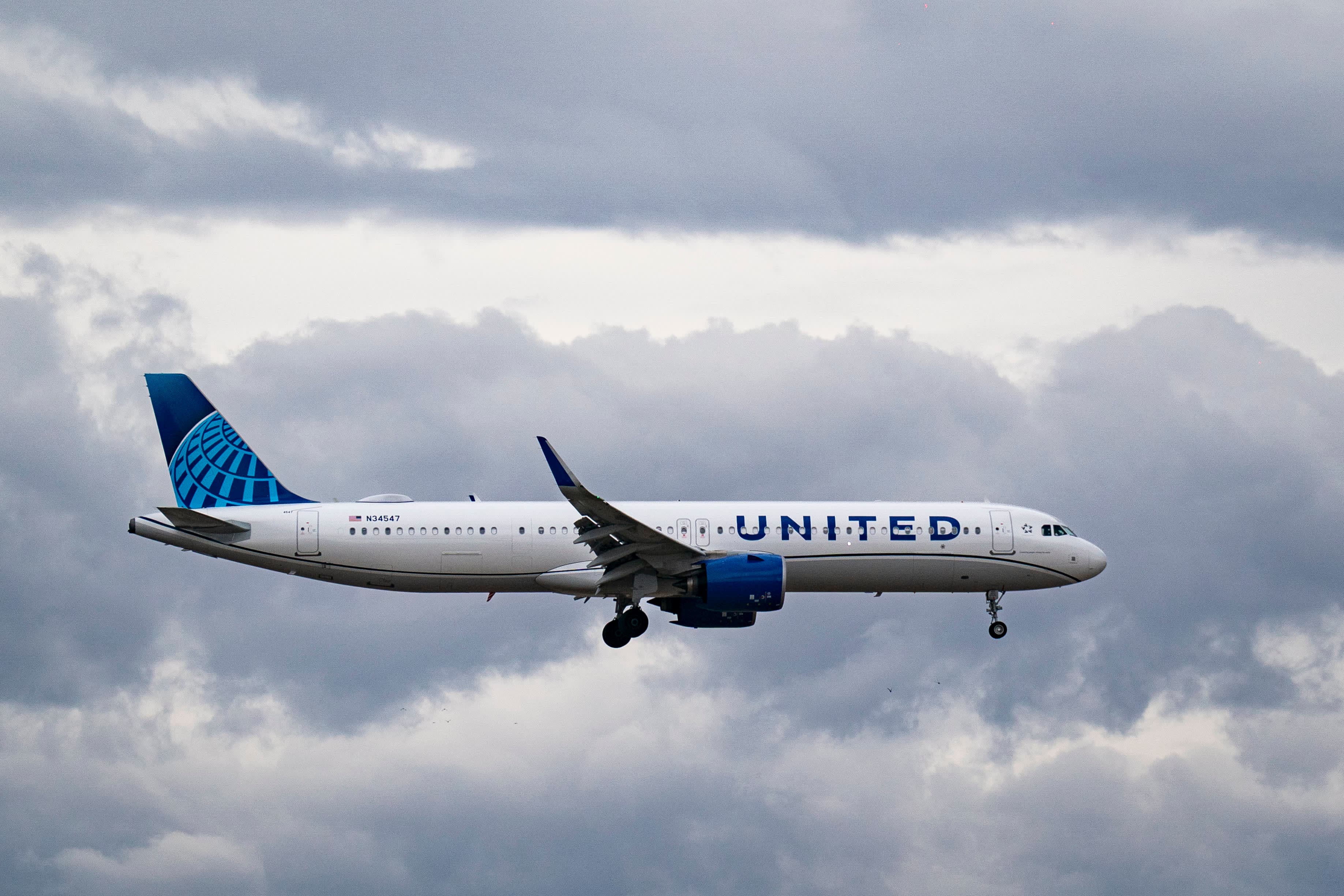
Photo via CNBC Business
United Airlines reported first-quarter earnings that surpassed Wall Street expectations, signaling operational strength in the near term. However, the carrier's updated guidance for 2026 reflects growing apprehension about the trajectory of fuel costs and their impact on profitability, according to CNBC Business reporting.
The airline industry, a critical component of Atlanta's economy given Hartsfield-Jackson Atlanta International Airport's role as the world's busiest airport, faces significant headwinds from volatile energy markets. Fuel represents one of the largest operating expenses for carriers, making cost fluctuations particularly consequential for airlines operating major hubs in the Southeast.
United's decision to slash its 2026 forecast signals that industry leaders anticipate sustained pressure on margins beyond the current fiscal year. This outlook carries implications for not only the airline itself but also suppliers, hospitality operators, and other businesses dependent on robust travel demand throughout the Atlanta region.
As fuel costs remain a key variable in airline financial performance, investors and business leaders in Georgia should monitor how carriers adjust pricing, capacity, and operations in response to energy market dynamics. These decisions will likely influence travel spending patterns and business travel budgets for companies across the state.