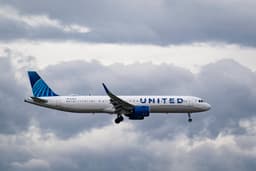
President Trump has weighed in on the ongoing consolidation debate within the airline industry, rejecting a potential merger between United Airlines and American Airlines while simultaneously advocating for intervention to support struggling Spirit Airlines. According to reporting from the New York Times Business section, Trump suggested that either private investors or the federal government should consider acquiring or providing assistance to Spirit, which has faced significant financial challenges in recent years.
The president's position reflects broader concerns about market concentration in the aviation sector. By opposing the United-American merger while supporting a rescue for Spirit, Trump appears to be signaling skepticism about further consolidation among larger carriers while acknowledging the need to preserve competition through the survival of budget airlines. This stance could have meaningful implications for Atlanta-based operations, as both major carriers and low-cost alternatives compete heavily for passengers using Hartsfield-Jackson Atlanta International Airport.
For Atlanta's business community, airline industry health directly impacts corporate travel costs and logistics capabilities. Hartsfield-Jackson remains the world's busiest airport, making it a critical infrastructure asset for the region's economy. The fate of carriers like Spirit, which offers service on numerous routes from Atlanta, affects pricing competition and route availability for companies throughout Georgia.
The outcome of these discussions could reshape the competitive landscape for regional air travel and influence operational costs for Atlanta-based corporations with significant travel needs. Business leaders in the metro area should monitor how federal policy evolves around airline consolidation and support mechanisms, as these decisions will likely affect their access to affordable and competitive flight options.