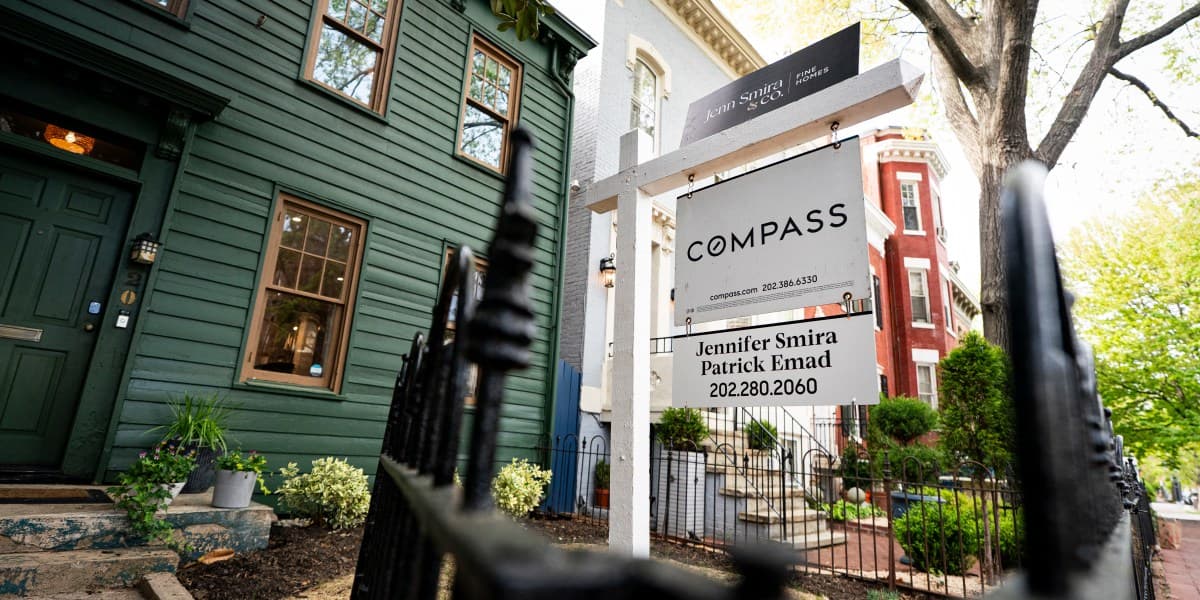
Photo via Fortune
Atlanta's housing affordability challenge is reaching across generational lines, affecting not just first-time homebuyers in their late twenties but also established professionals in their 40s, 50s and beyond. According to research from the Housing Center, the relationship between affordability and homeownership cuts across age demographics—when purchasing power weakens, it suppresses demand at every stage of life.
Ed Pinto, co-director of the Housing Center, notes that declining purchasing power creates a cascading effect throughout the housing market. "When purchasing power declines, fewer people buy homes at 28—but also fewer purchase at 38 or 48," he explains. This broadened impact suggests Atlanta's affordability crisis isn't merely a millennial problem but a systemic challenge affecting career-stage homebuyers and those seeking to upgrade or relocate.
For Atlanta's professional workforce and established residents, this trend has significant implications. Mid-career buyers who typically seek larger homes in better school districts or those relocating to the region for jobs are finding their options increasingly constrained. The combination of elevated home prices and mortgage rates has fundamentally altered the calculus for these demographic segments.
As Atlanta continues to attract corporate relocations and business investment, addressing housing affordability across all age groups remains critical to workforce retention and regional competitiveness. Real estate professionals and policymakers are watching whether solutions can emerge to support homeownership beyond the millennial generation.