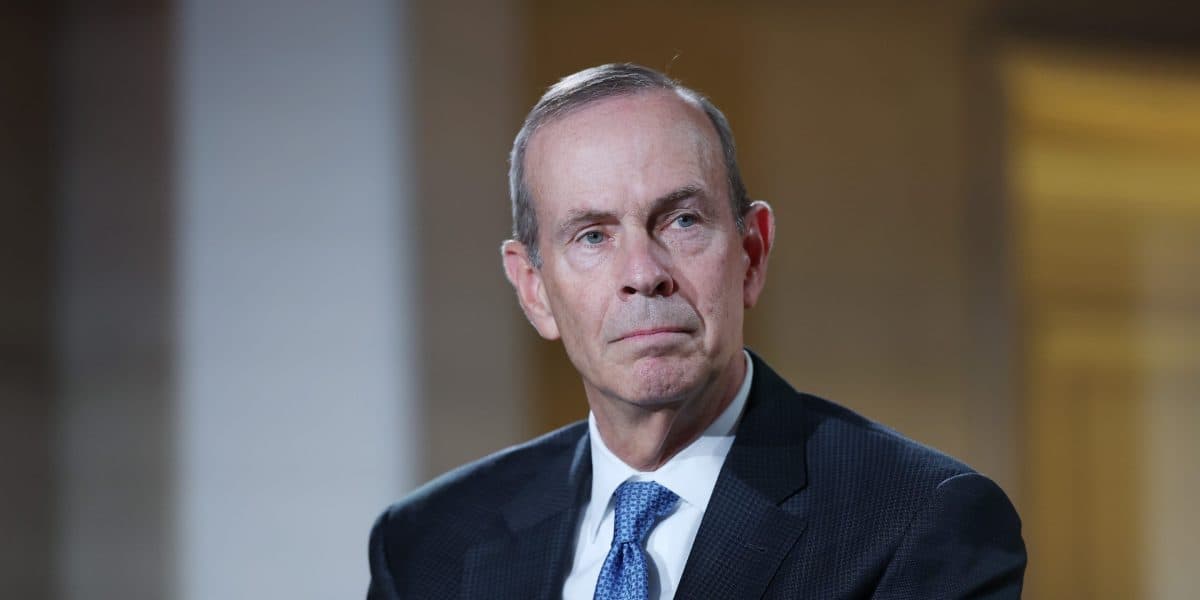
Photo via Fortune
Chevron's top executive has outlined critical conditions needed for Venezuela to revitalize its struggling oil sector, emphasizing that workforce restoration represents a fundamental hurdle to any meaningful recovery. According to Fortune, the company's CEO highlighted how years of economic instability have driven experienced petroleum professionals out of the country, creating a significant skills gap that cannot be quickly filled.
The exodus of trained workers from Venezuela's energy sector reflects broader trends affecting resource-dependent economies across Latin America and the Caribbean. This brain drain is particularly acute in specialized fields like upstream exploration and refining operations, where decades of technical expertise have been lost to emigration. For regional energy markets, including those affecting U.S. Gulf Coast operations and energy prices nationally, Venezuela's capacity constraints remain a persistent factor.
According to the Chevron executive's remarks, reversing this trend requires more than policy adjustments—it demands that expatriate workers, many now established elsewhere, choose to return and rebuild institutional knowledge within Venezuela's petroleum industry. This dependency on diaspora return presents a complex challenge involving political stability, economic incentives, and working conditions that extend beyond the oil sector itself.
For Atlanta-area energy companies and investors with exposure to Latin American markets, Venezuela's recovery trajectory carries strategic importance. The region's energy landscape continues evolving, and any significant shifts in Venezuelan production could influence commodity prices, investment flows, and opportunities throughout the hemisphere's energy infrastructure and services sectors.