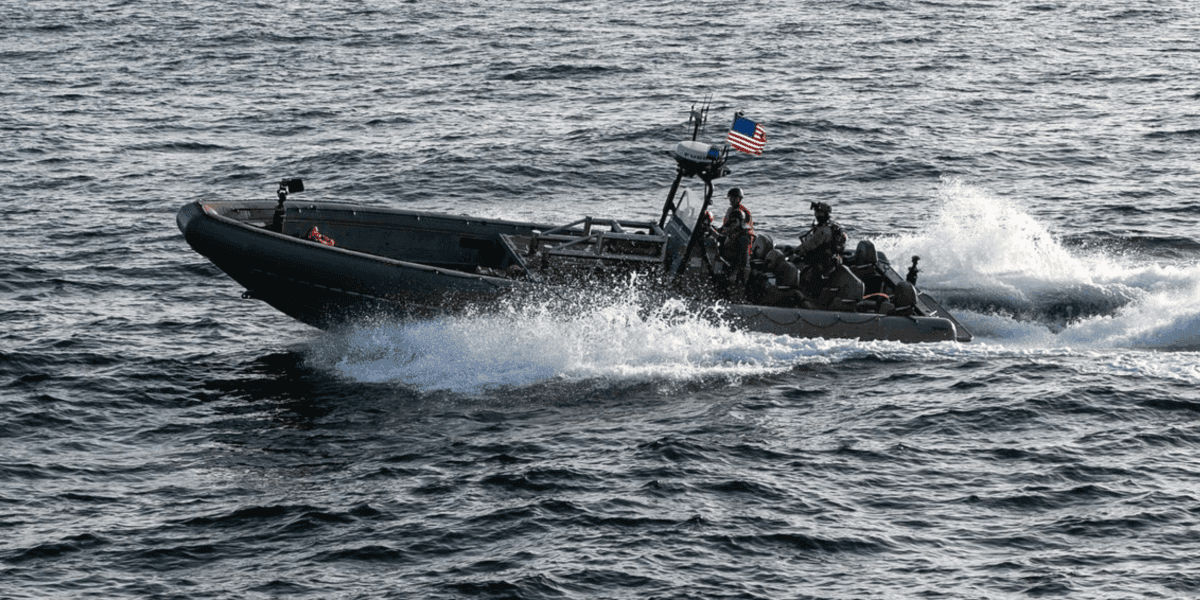
Photo via Fortune
Geopolitical tensions in the Strait of Hormuz are raising concerns about potential disruptions to global energy markets and supply chains—issues that hit close to home for Atlanta's logistics and transportation hub. According to analysis from Goldman Sachs, the standoff between regional powers could unfold in multiple ways, each with different consequences for fuel prices, shipping costs, and inventory management that Georgia companies rely on.
Goldman Sachs describes a range of possible outcomes, from intensifying 'maritime trench warfare' with repeated attacks on commercial shipping to what analysts call a 'sloppy peace'—essentially a fragile agreement that leaves underlying tensions unresolved. The uncertainty itself poses challenges for Atlanta-area businesses that depend on predictable energy prices and reliable international shipping routes, particularly companies in the transportation, retail, and manufacturing sectors.
For Atlanta's logistics industry, which serves as a critical southeastern hub for national distribution networks, any sustained disruption to Middle East oil shipments could trigger ripple effects across supply chains and consumer prices. Energy-intensive industries and companies with just-in-time inventory systems face particular vulnerability if maritime transit delays become common or insurance costs spike due to heightened risk.
Business leaders in Atlanta should monitor developments closely and consider contingency planning around fuel costs and shipping timelines. The range of possible outcomes—from contained regional conflict to escalated 'trench warfare'—suggests volatility ahead, making flexibility and scenario planning essential for companies managing international operations or energy-dependent logistics.