Photo via Fortune
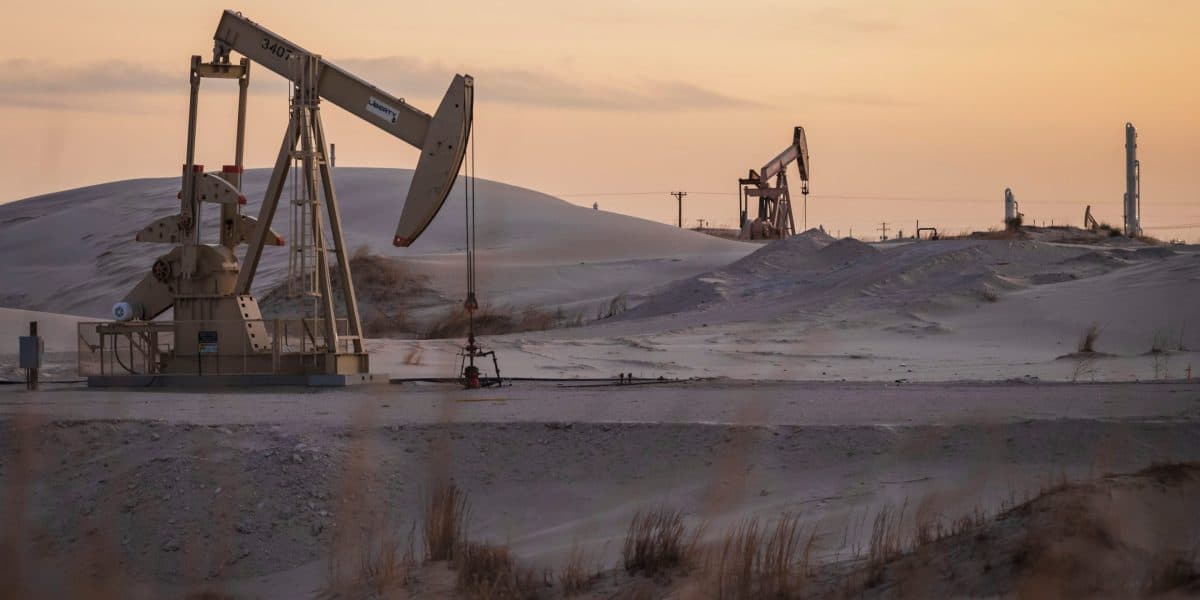
Despite elevated oil prices that historically would signal producers to increase drilling and investment, U.S. energy companies are exercising unusual caution. According to Fortune, producers cite policy uncertainty and perceived market manipulation as key factors restraining their response to market conditions. The hesitation reflects deeper concerns about the business environment that go beyond simple supply-and-demand economics.
Industry executives point to regulatory unpredictability as a major obstacle to capital investment in new drilling projects. One producer quoted in the report stated that 'uncertainty is problematic in the oil and gas business, and this administration is the definition of uncertainty.' This risk-averse stance suggests that energy companies view the current political climate as too volatile to justify major long-term commitments, even when near-term pricing appears favorable.
For Atlanta-area businesses tied to the energy sector—including logistics providers, equipment manufacturers, and service companies—this production constraint creates a ripple effect. A slowdown in oil and gas investment translates to reduced spending on related goods and services, potentially dampening growth in supporting industries throughout Georgia. Energy companies' reluctance to expand operations could also limit hiring and capital spending in regional supply chains.
The broader implication is that market prices alone may not restore equilibrium in the energy sector without greater policy clarity. Until producers feel confident about the regulatory landscape, supply constraints could persist, keeping energy costs elevated for manufacturers, transportation companies, and other Atlanta businesses dependent on stable fuel pricing. Stakeholders in the region should monitor policy developments closely, as shifts in federal energy policy could significantly impact local economic activity.