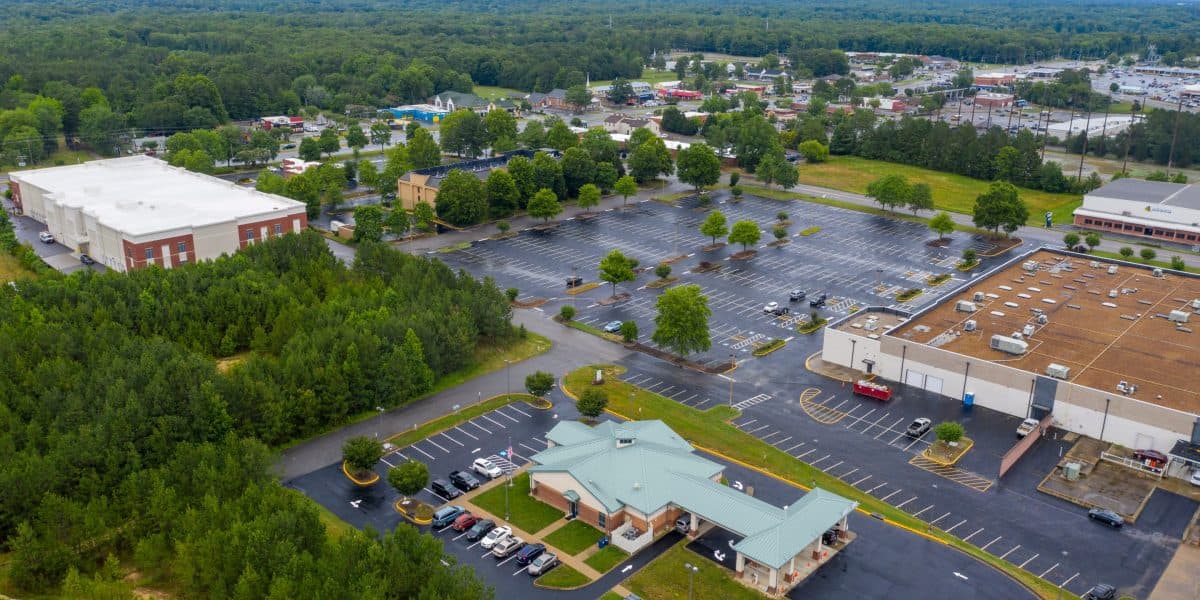
Photo via Fortune
The U.S. Supreme Court is weighing a significant Fourth Amendment question: whether police can use cell phone geofence data to establish probable cause without a warrant. According to Fortune, the case centers on Okello Chatrie, who allegedly robbed a bank and was subsequently identified after his mobile device pinged within the vicinity of the crime scene. The case raises critical questions about the balance between public safety and digital privacy rights.
Geofencing technology allows law enforcement to identify all mobile devices present in a specific geographic area during a particular time window. Police obtained information showing Chatrie's phone was among devices near the bank during the robbery, leading them to his home. While the technology has become a standard investigative tool, questions persist about whether such broad data collection violates citizens' constitutional protections against unreasonable searches.
For Atlanta's business community, the ruling carries practical implications. Financial institutions, retailers, and other enterprises often cooperate with law enforcement investigations. A Supreme Court decision limiting geofence data use could affect how quickly crimes are solved, while approval could raise privacy concerns for companies handling customer location information and facing potential government requests.
The outcome will likely influence privacy policies across the technology sector and establish precedent for digital investigations nationwide. As courts continue to grapple with emerging surveillance capabilities, businesses and legal experts await clarity on what Fourth Amendment protections apply in an increasingly location-tracked world.