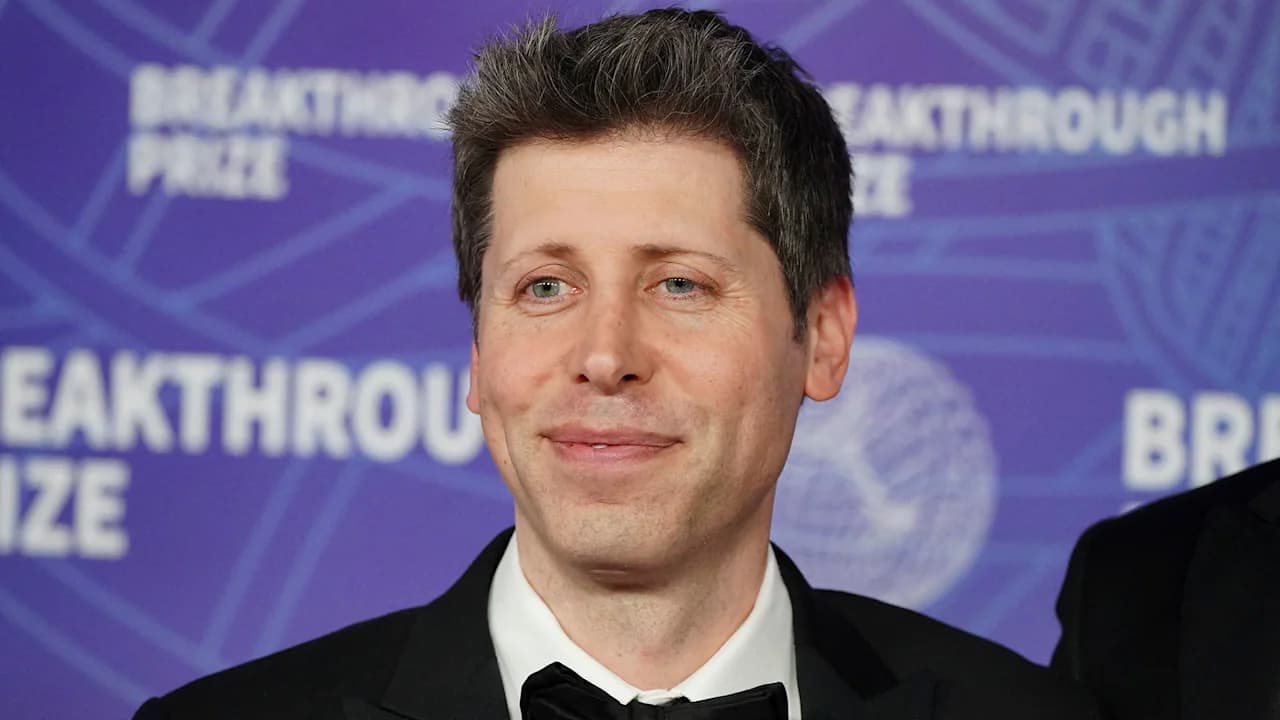
Photo via Fast Company
Technology titans Elon Musk and Sam Altman are heading to trial in a dispute that could reshape the artificial intelligence industry's future. According to Fast Company, the case centers on OpenAI's evolution from a nonprofit startup founded in 2015 with Musk's backing to a for-profit venture now valued at $852 billion. Musk filed the lawsuit in August 2024, alleging that Altman and his team abandoned the company's original mission to develop AI responsibly, instead pivoting to profit maximization without his knowledge.
The trial's outcome carries significant implications for how AI companies will be governed and funded moving forward. Musk initially sought over $100 billion in damages but has since scaled back to seek unspecified funds for OpenAI's charitable arm and Altman's removal from the board. For Georgia's growing tech sector and entrepreneurs watching how venture-backed startups balance mission with monetization, the case provides a cautionary tale about founder relationships and governance structures during periods of explosive growth.
Beyond the legal claims, the trial highlights tensions between responsible AI development and competitive business incentives. Musk's decision to stop funding OpenAI in 2017 marked a turning point, and the two tech leaders' public disputes have intensified as Musk built xAI as a competitor. The case will reveal early communications between the co-founders and offer insight into decisions that shaped one of the most consequential technology races of the decade, affecting everything from job markets to business practices across industries.
The trial presents additional risks for Musk, who was recently held liable for investor fraud related to his Twitter acquisition. As SpaceX prepares for a summer IPO, any damaging revelations about his business practices could complicate capital markets reception. For Atlanta-area investors and business leaders monitoring the tech sector, the proceedings underscore the importance of clear governance frameworks, documented agreements, and transparent communication when founding transformative companies—lessons that extend well beyond Silicon Valley.