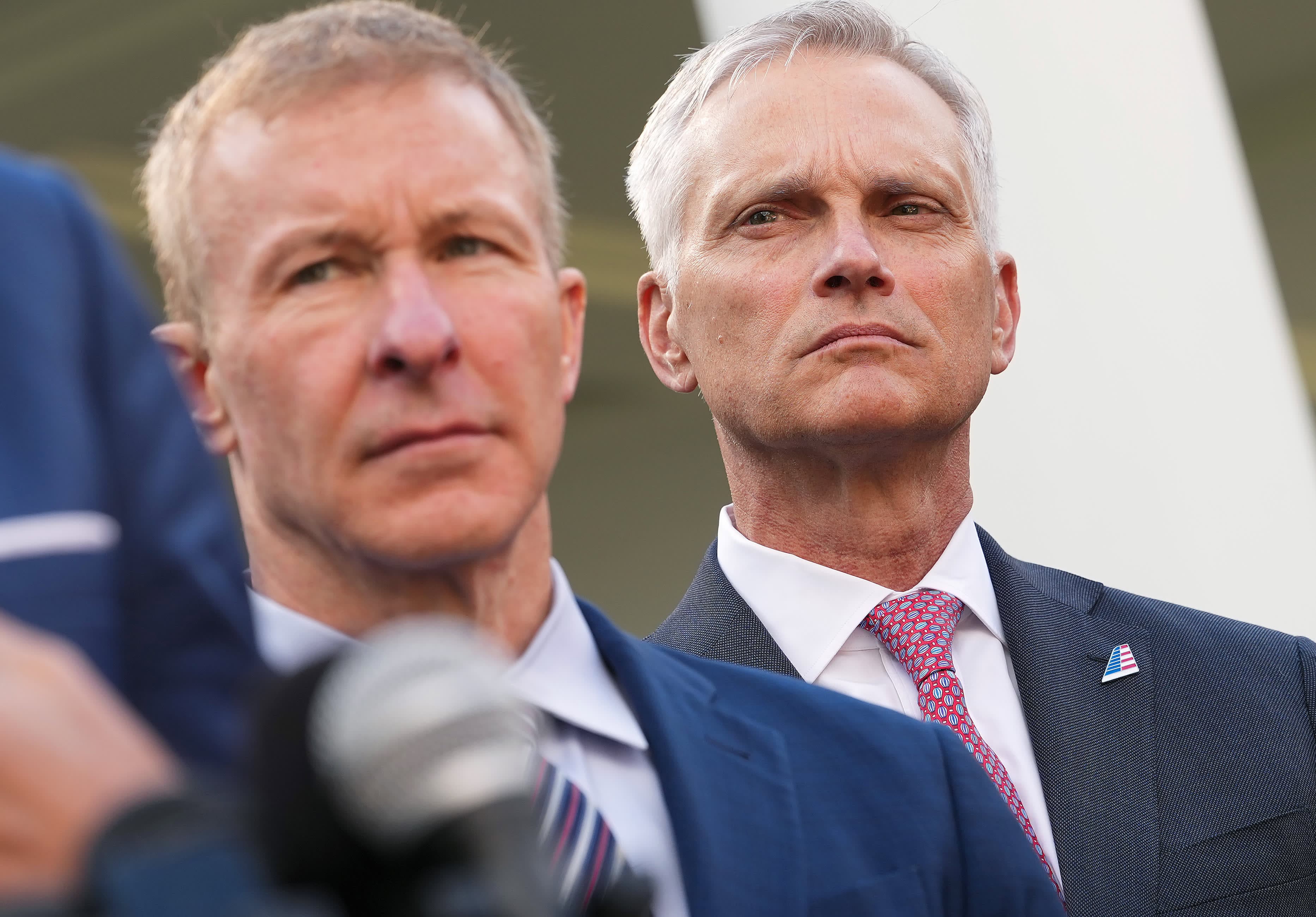
Photo via CNBC Business
United Airlines CEO Scott Kirby has publicly acknowledged that he approached American Airlines about a potential merger, only to be rebuffed by the carrier's leadership. According to CNBC, Kirby stated that American rejected the proposal outright, effectively ending discussions before they could advance to serious negotiations.
The failed overture underscores the complexity of orchestrating mega-mergers in the airline industry. Kirby noted that securing willing participation from both parties is essential for a transaction of such magnitude to move forward. Without American's willingness to engage, he indicated that United would not pursue the matter further.
For Atlanta-area business leaders and investors, this development carries significance given Atlanta's status as a major hub for Delta Air Lines and a key market for regional aviation. Any consolidation among competitors could reshape competitive dynamics, pricing structures, and service offerings at Hartsfield-Jackson Atlanta International Airport, one of the world's busiest aviation centers.
The merger rejection also reflects the current regulatory environment and industry sentiment. U.S. antitrust authorities have grown increasingly scrutinous of airline consolidation proposals in recent years, and American's decision to decline suggests the carrier sees greater value in remaining independent than in combining operations with a competitor.