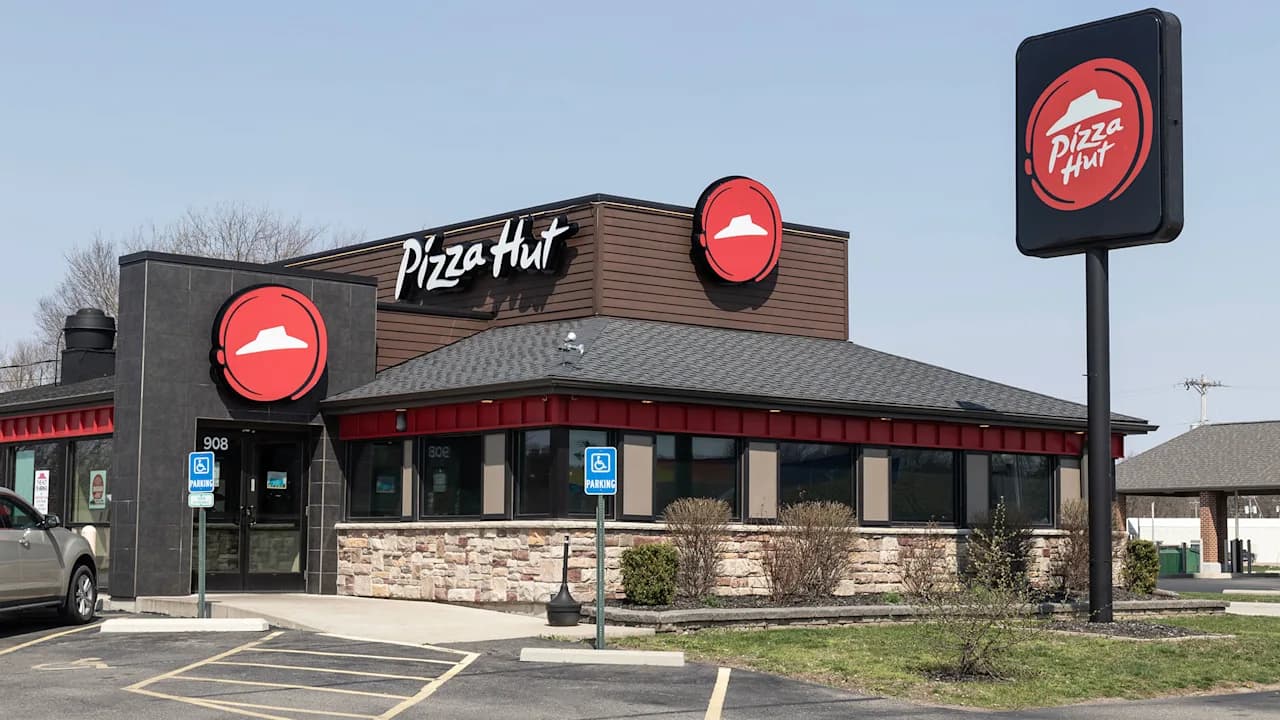
Photo via Fast Company
Yum Brands is following through on its aggressive restructuring of Pizza Hut's U.S. footprint, with more than 50 confirmed closures already completed across 20 states as of early 2026. The Louisville-based parent company, which also owns KFC and Taco Bell, committed to closing 250 underperforming locations during the first half of 2026 as part of its "Hut Forward" turnaround initiative. The actual closure count is likely substantially higher, according to analysis of local media reports, online review platforms, and the chain's store locator data.
The strategic review underscores a fundamental shift in Yum Brands' business priorities. According to company disclosures, the U.S. now accounts for 40% of Pizza Hut's divisional sales, down from 43% just four years ago, while international markets—particularly China—have grown to represent 19% of revenue. This rebalancing reflects broader consumer trends and changing profitability dynamics in the domestic quick-service restaurant sector.
For franchisees and local markets, the closures represent significant operational disruptions. Some shuttered locations were the only Pizza Hut in their communities, leaving limited recourse for customers and former employees. Meanwhile, over 99% of Pizza Hut locations are franchisee-operated, meaning individual business owners bear much of the financial impact when corporate decides to consolidate.
The restructuring comes as Yum Brands weighs a potential sale of Pizza Hut, a possibility the company first disclosed in November 2025. Investors are watching closely for updates during the company's earnings reports, as the closure plan and strategic review will likely shape investor sentiment and the brand's valuation. The turnaround plan also includes technology upgrades and enhanced marketing support for surviving locations, positioning the smaller, optimized chain for future growth.