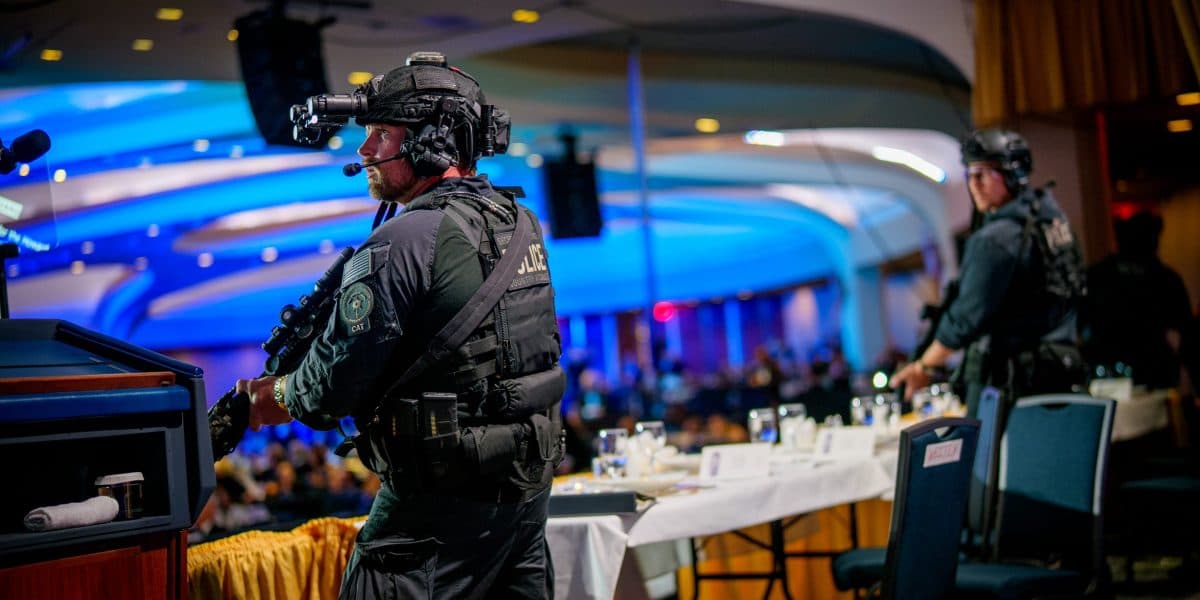
Photo via Fortune
According to Fortune, a suspect in a recent Washington D.C. dinner attack acquired multiple firearms over a span of years through licensed retailers in California. The purchases included a Maverick 12-gauge pump-action shotgun and an Armscor semi-automatic pistol obtained from separate dealers. The timeline of acquisitions has prompted renewed examination of how firearms retailers process purchases and verify buyer eligibility.
The incident underscores compliance challenges facing the retail firearms industry at a time when regulatory scrutiny continues to intensify. Licensed dealers must navigate federal background check requirements and state-level regulations, yet questions remain about how comprehensive screening processes are across different jurisdictions. For Atlanta-area retailers operating in Georgia's relatively permissive firearms market, this case serves as a reminder of the operational and reputational risks associated with inadequate verification protocols.
Retail industry experts note that firearms dealers operate within strict legal frameworks, yet enforcement consistency varies significantly by region. California's more restrictive approach contrasts sharply with Georgia's regulatory environment, creating a patchwork system that some argue enables problematic purchases. Retailers in both states face potential liability if transactions later become connected to criminal activity.
Moving forward, the incident may accelerate industry conversations about enhanced due diligence and voluntary best practices among firearm retailers. Trade associations and individual dealers are likely to evaluate their screening procedures, staff training protocols, and documentation standards to mitigate legal and reputational exposure in an increasingly contentious landscape.