Photo via Fast Company
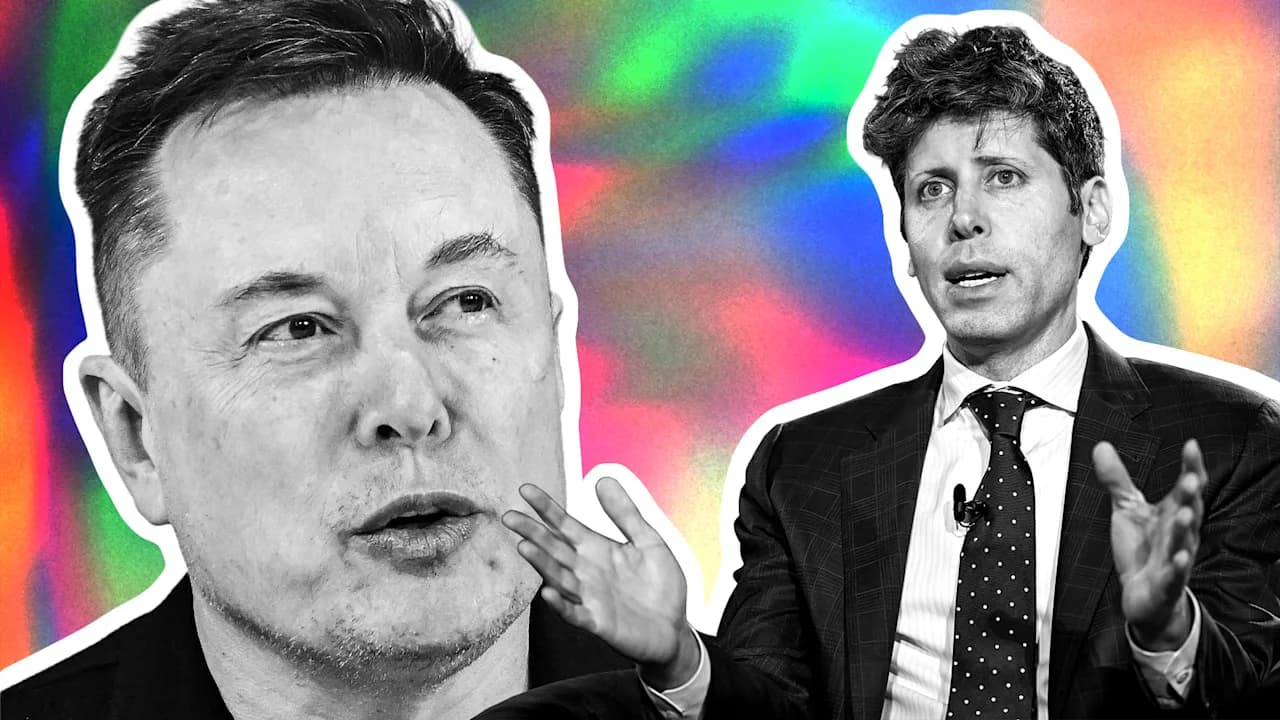
One of the tech industry's most anticipated legal showdowns began this week when Elon Musk and OpenAI CEO Sam Altman faced off in federal court in Oakland, California. Musk is challenging the company's 2019 conversion from a nonprofit to a for-profit entity, arguing it violated founding principles he helped establish when he invested millions between 2015 and 2017. The case has significant implications for how venture-backed AI companies balance mission and profit—a question increasingly relevant as Atlanta tech entrepreneurs navigate similar decisions.
Musk is pursuing three primary demands: reverting OpenAI to nonprofit status, removing Sam Altman and President Greg Brockman from their positions, and securing $150 billion in damages to flow toward OpenAI's charitable operations. According to reporting on the case, Musk contends that leadership deliberately transformed the company into a "wealth machine" to enrich themselves. OpenAI has countered by claiming Musk's grievance stems from jealousy, alleging he wanted the CEO position himself and only objected to the for-profit shift after being denied that role.
The trial underscores critical governance questions facing the Atlanta region's emerging AI and tech communities. As local companies and investors pursue artificial intelligence ventures, the Musk-OpenAI dispute highlights the legal and ethical complexities of nonprofit-to-commercial transitions. The outcome could influence how Atlanta-area startup founders structure funding rounds and organizational models, particularly in mission-driven sectors like healthcare technology and enterprise software.
U.S. District Judge Yvonne Gonzalez Rogers has indicated she wants jury deliberations to begin by May 12, though the timeline remains uncertain. Both founders are expected to testify, along with executives from OpenAI and Microsoft, making this trial a defining moment for AI governance. For Atlanta's business community watching corporate AI development, this case offers critical lessons about alignment between founders, investors, and organizational missions during periods of rapid growth and commercialization.