Photo via Fortune
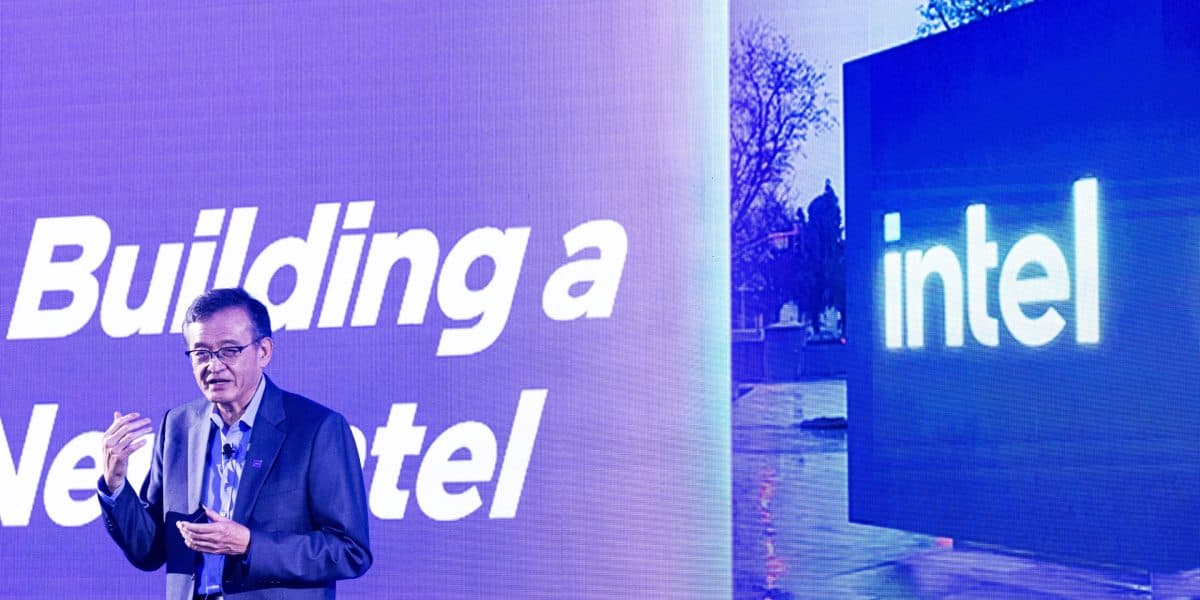
Intel's stock performance has recently surged, marking a significant shift in investor sentiment toward the semiconductor giant. According to Fortune, the chipmaker—long viewed as past its prime—is now being reconsidered by the market as it positions itself at the center of the artificial intelligence revolution. This resurgence reflects broader trends in the technology sector that are reshaping which companies will lead the next era of computing.
The company's turnaround strategy hinges on multiple factors. By investing heavily in AI chip development and manufacturing capabilities, Intel is attempting to reclaim relevance in a market dominated by competitors like NVIDIA and AMD. Strategic alliances and partnerships are also playing a crucial role, allowing Intel to expand its reach and integrate its technology into more enterprise and consumer applications.
For Atlanta's robust technology and professional services sector, Intel's comeback has implications worth monitoring. Many regional tech companies, consulting firms, and data centers rely on semiconductor performance for their operations. A competitive Intel could offer local businesses more options and potentially better pricing in enterprise hardware procurement.
The broader lesson here speaks to corporate resilience and market adaptation. Intel's willingness to acknowledge past missteps—particularly in failing to anticipate the AI boom earlier—and pivot aggressively demonstrates how legacy companies can remain relevant. As Atlanta continues developing its own tech ecosystem, Intel's transformation offers a case study in innovation and strategic repositioning.