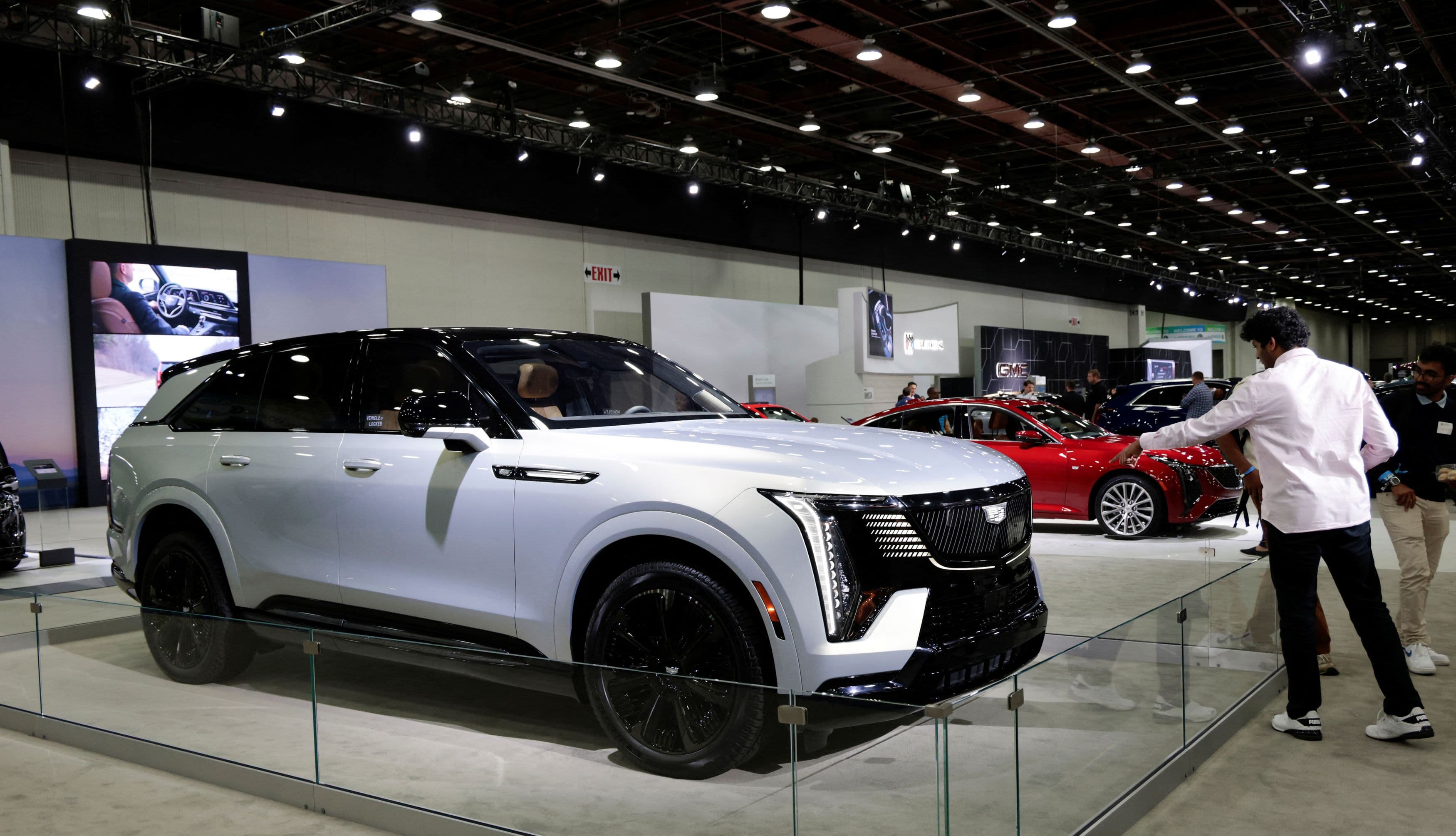
Photo via CNBC Business
General Motors is navigating a complex economic landscape as global tensions continue to pressure supply chain costs. According to CNBC Business, CEO Mary Barra acknowledged that recent geopolitical developments are creating headwinds for the Detroit automaker's operations. Despite these inflationary pressures, GM's leadership remains cautiously optimistic about maintaining pricing power in key vehicle segments.
The company's sales mix has proven remarkably resilient, with consumers continuing to purchase premium and high-margin vehicles even as broader economic concerns mount. This trend suggests that affluent buyers—a critical demographic for automotive profitability—are maintaining spending patterns despite market volatility. For Atlanta-area dealerships and suppliers, this stability in the luxury segment could sustain regional employment and revenue streams that depend on robust new vehicle sales.
Barra emphasized that GM is actively monitoring shifts in consumer behavior as potential economic headwinds gather. The company's data-driven approach to tracking spending patterns will be crucial for adjusting production schedules and inventory levels. Atlanta's significant automotive supplier network and logistics hub status make regional businesses particularly sensitive to any slowdown in vehicle manufacturing or sales.
As geopolitical risks continue to evolve, GM's ability to manage cost inflation while maintaining strong demand in profitable vehicle categories will set the tone for the broader automotive industry. The company's current performance offers insights into consumer resilience that could ripple through Georgia's economy, which benefits significantly from automotive manufacturing, transportation, and related services.