Photo via Fast Company
Formula 1's commitment to the U.S. market is reshaping how major international sporting events operate domestically. Since Liberty Media acquired F1 in 2017, the organization has strategically positioned itself as an entertainment destination rather than a niche motorsports spectacle. The Miami Grand Prix, with a host agreement through 2041, exemplifies this long-term investment approach. As the sport expands across U.S. cities—from Austin to Las Vegas—the playbook being tested in Miami offers valuable insights for Atlanta's own major event ecosystem, including the Atlanta Grand Prix circuit and other premier sporting attractions.
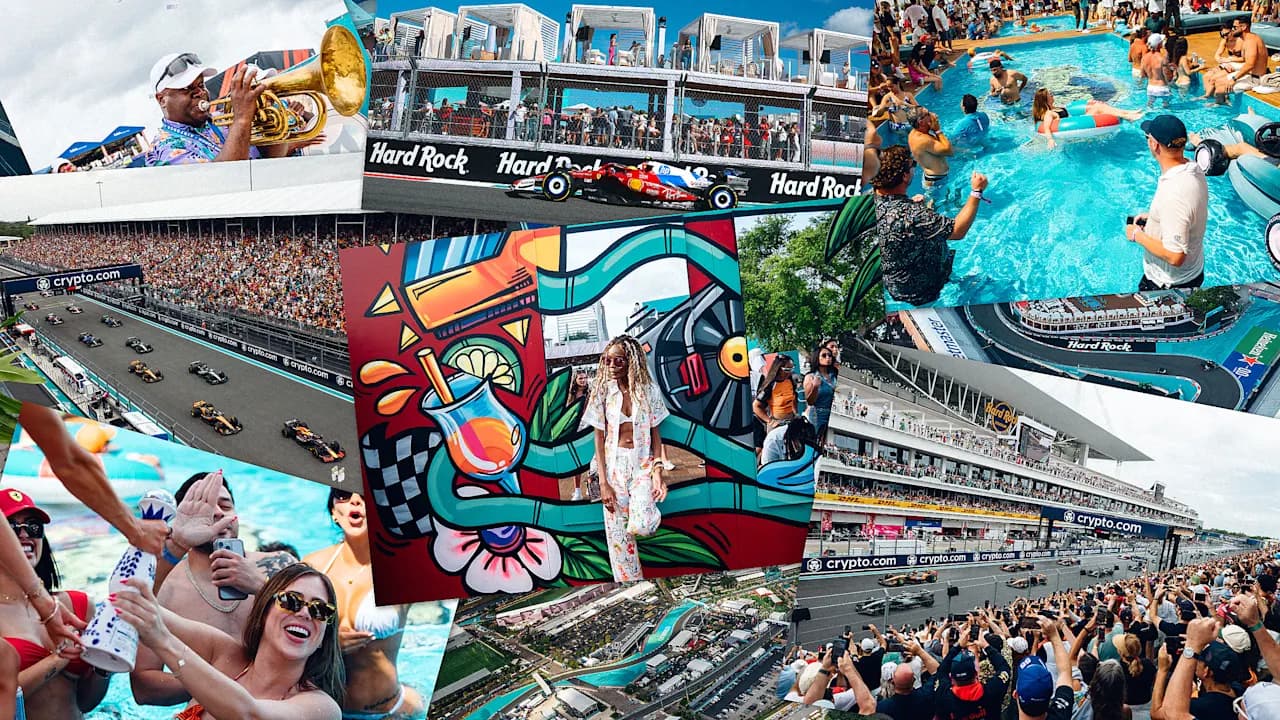
The 2025 Miami race demonstrates how organizers are expanding event experiences well beyond traditional race-day activities. F1 officials report attendance has grown to approximately 275,000 spectators, supported by free fan festivals, neighborhood-themed campus zones, and premium hospitality partnerships like the MSC Yacht Club. This multi-day, immersive experience strategy creates extended economic impact for host cities through accommodations, dining, and retail activity. For Atlanta business leaders evaluating major event opportunities, Miami's model highlights the importance of community integration and year-round activation rather than single-weekend focuses.
Brand partnerships represent a significant revenue opportunity within F1's U.S. expansion. Global companies including Lego, Apple, and Disney have launched major activations at the Miami event, viewing it as a platform to reach younger, more diverse audiences. According to F1 communications leadership, the sport's melting-pot fan base—increasingly composed of younger demographics, women, and people from diverse backgrounds—makes U.S. events particularly attractive to corporate sponsors seeking authentic engagement opportunities. This sponsorship model could inform how Atlanta attracts major corporate investments in local events.
As F1 continues raising operational standards across U.S. circuits, industry officials acknowledge that markets like Miami, Austin, and Las Vegas are establishing benchmarks for international sporting events globally. The strategic approach of turning single events into full-week experiences with community-focused programming and accessible entry points may influence how other major venues in the Southeast—including Atlanta—structure future events. With 41 percent of non-attending F1 fans indicating intention to attend future events, growth potential in developing markets suggests comparable opportunities exist for Atlanta's sports and entertainment portfolio.