Photo via Fast Company
As the 2026 FIFA World Cup approaches, New York City officials are grappling with a significant public relations challenge: astronomical ticket prices and transportation costs that are pricing out average fans. According to Fast Company, some final match tickets are being sold for up to $11,000, while special World Cup transit passes from New York to New Jersey will cost $150—compared to standard fares as low as $1.80. This disparity highlights a growing tension between major sporting events and community accessibility, a dynamic Atlanta business leaders should monitor as the city pursues its own high-profile conventions and sporting opportunities.
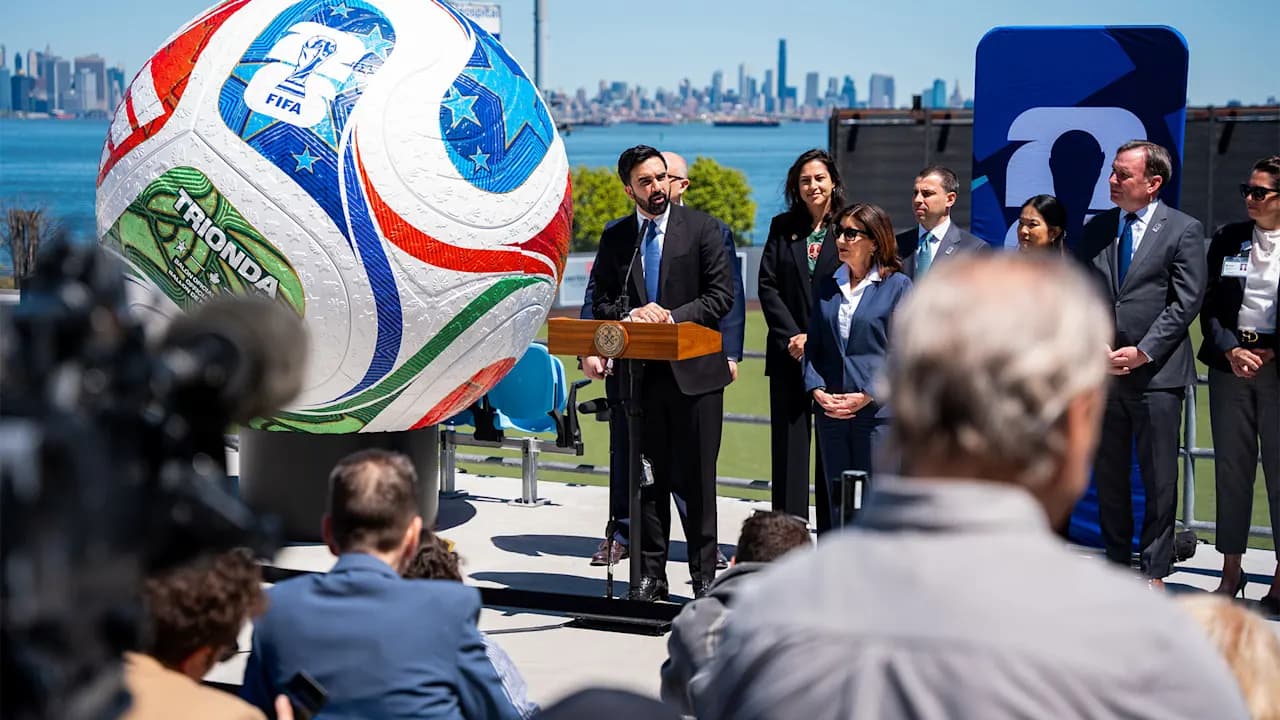
In response, New York Mayor Zohran Mamdani and Governor Kathy Hochul announced free fan zones across all five boroughs, attempting to mitigate backlash and ensure residents can participate in the global event. The move reflects a broader recognition that host cities risk reputational damage when economic barriers exclude local populations from the festivities. For Atlanta—which has successfully hosted major events including the Super Bowl and Summer Olympics—this model underscores the importance of inclusive event planning that prioritizes community participation alongside revenue generation.
The transportation bottleneck plaguing New York's World Cup preparations offers practical lessons for Atlanta's infrastructure planning. NJ Transit will close Penn Station's commuter rail section for hours surrounding matches, while shuttle buses carry a steep surcharge and ride-share access is restricted. Such logistical constraints can frustrate both visitors and residents, creating negative perceptions that extend beyond the event itself. Atlanta's experience managing large-scale events provides an opportunity to study what worked—and what didn't—in other host cities.
For Atlanta businesses in hospitality, transportation, and event management, the 2026 World Cup serves as a case study in balancing profitability with public goodwill. While major events generate significant economic activity, pricing strategies that exclude local residents risk community backlash and diminished legacy benefits. As Atlanta continues positioning itself as a premier destination for conventions, sporting events, and international gatherings, the New York model—both its successes and shortcomings—warrants close examination.