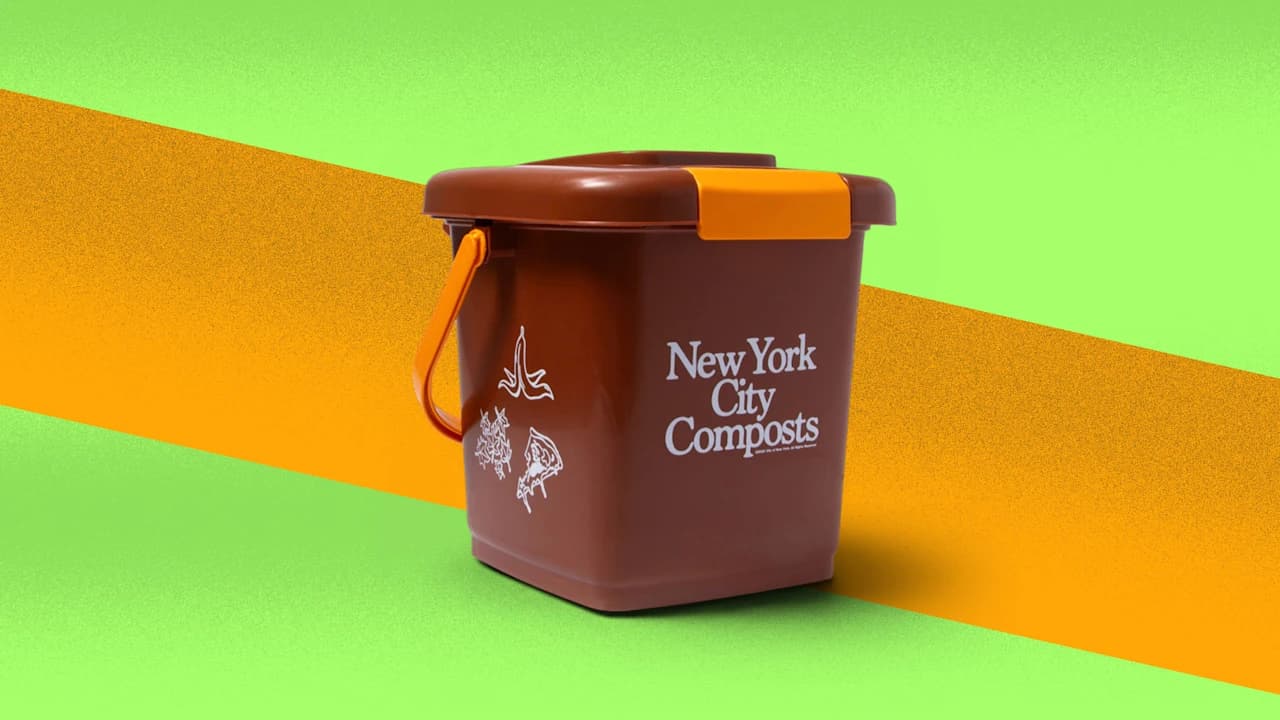
Photo via Fast Company
New York City's partnership with Only NY demonstrates how municipal initiatives can extend beyond policy into consumer culture. The limited-edition tabletop compost bin, priced at $48 and currently in presale, combines functional design with brand collaboration—a strategy that transforms everyday sustainability into a desirable product. For Atlanta business leaders in retail and consumer goods, this model reveals how environmental responsibility can drive commercial success rather than hinder it.
The product's appeal hinges on intentional design choices, from its serif typography inspired by vintage NYC public service announcements to its minimalist aesthetic. Only NY's creative team developed graphics that resonated strongly on social media, with users praising both form and function. Atlanta-based brands looking to market eco-friendly products might consider similar approaches: integrating local cultural identity, quality design, and municipal partnerships to elevate sustainability from obligation to lifestyle choice.
According to Fast Company, proceeds from bin sales benefit New York City directly, creating a revenue stream while advancing environmental goals. This public-private partnership model—where Only NY has served as a licensed partner since 2015—offers a template for Atlanta municipalities and local businesses seeking to fund sustainability initiatives. Such collaborations can strengthen community engagement while generating measurable economic impact.
The success of this venture suggests growing consumer demand for beautifully designed sustainability products, particularly among younger demographics. For Atlanta retailers and manufacturers, the takeaway is clear: consumers increasingly view eco-conscious choices through a design lens. Investing in product aesthetics and strategic partnerships with local institutions could position Atlanta companies as leaders in sustainable consumer goods.