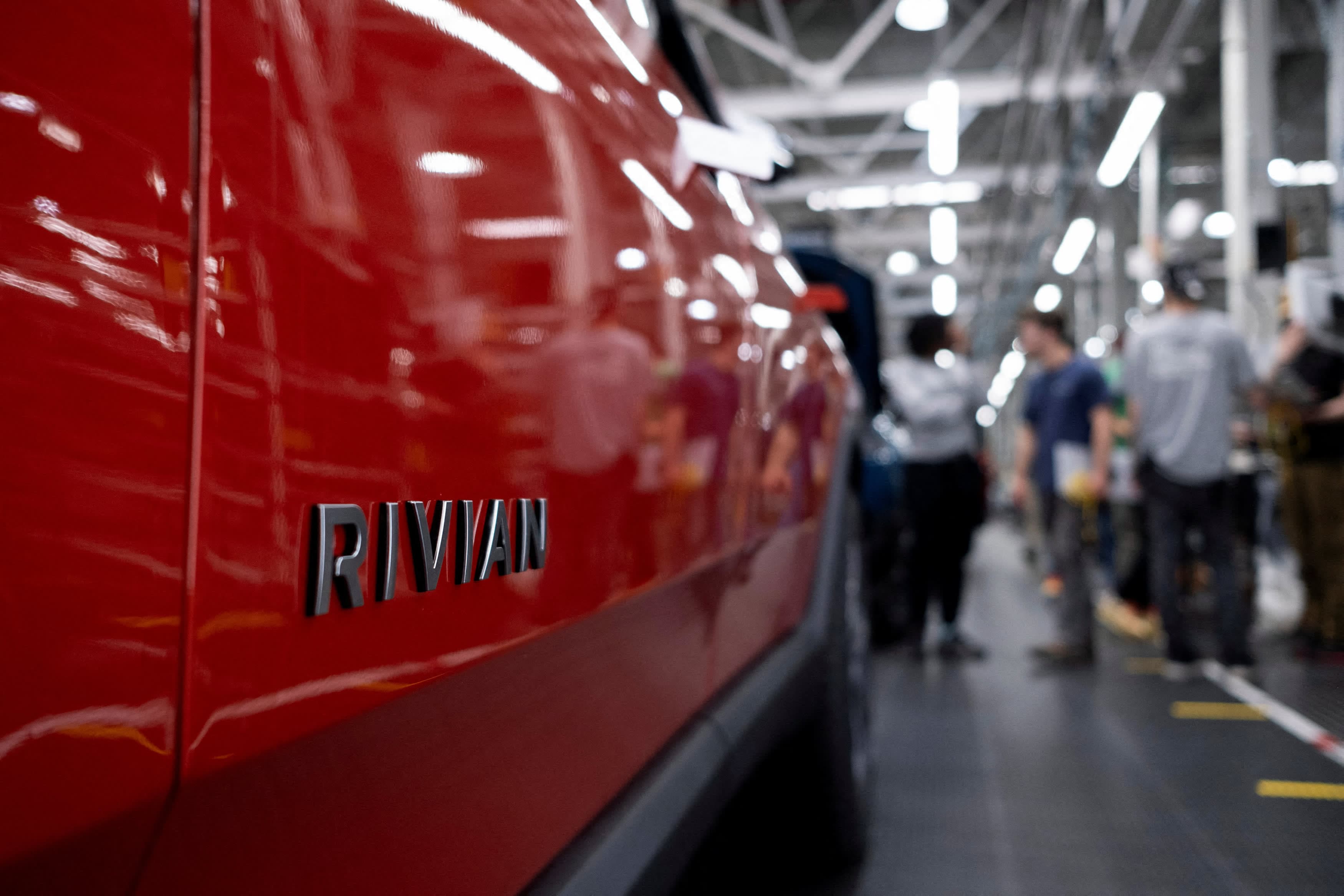
Photo via CNBC Business
Electric vehicle manufacturer Rivian has faced an unexpected setback as a tornado damaged its factory facility, according to CNBC Business. The incident strikes at a particularly vulnerable moment, as the company ramps up production for its highly anticipated R2 model—a more affordable EV designed to reach mainstream consumers. The timing underscores the operational risks facing emerging automakers as they scale manufacturing.
The R2 launch represents a critical inflection point for Rivian's viability. The company has positioned this vehicle as its path to profitability and market expansion beyond its initial luxury R1T and R1S offerings. Any production delays could impact delivery timelines and investor confidence, especially as competition intensifies in the affordable EV segment from established manufacturers and other startups.
Georgia's growing automotive and EV ecosystem has attracted significant investment and talent in recent years. While Rivian's primary manufacturing is located elsewhere, the incident highlights broader concerns about supply chain vulnerabilities affecting manufacturers across the Southeast, a region increasingly central to U.S. EV production and battery manufacturing.
The incident serves as a reminder of the operational complexities facing emerging automakers. Beyond product development and market competition, manufacturers must manage physical infrastructure risks and maintain production continuity. How Rivian responds to this disruption—whether through insurance claims, temporary production adjustments, or facility improvements—will signal its operational maturity to investors and customers alike.