Photo via Fast Company
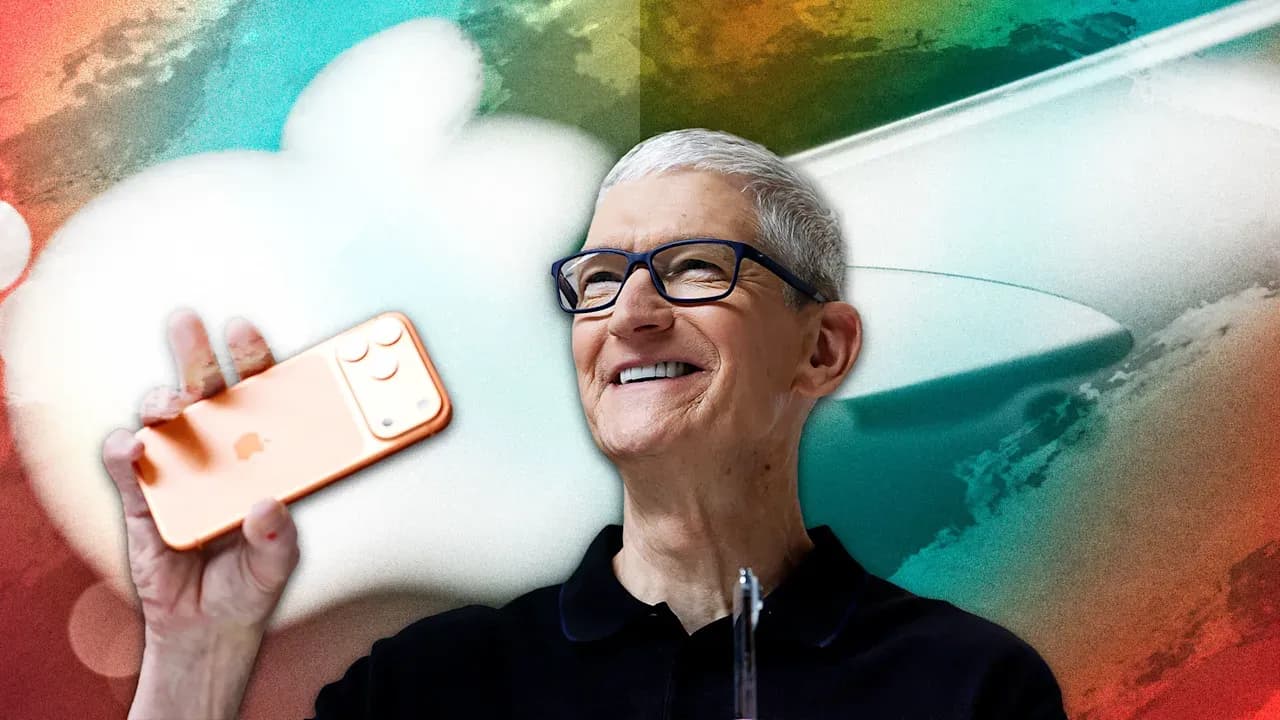
Tim Cook is stepping down as Apple's chief executive officer in September, transitioning to executive chairman after leading the technology giant for more than a decade. According to Fast Company, John Ternus, the company's senior vice president of hardware, will become the next CEO. The leadership transition, unanimously approved by Apple's board, marks the end of an era for the Cupertino-based company, which has shaped the global technology landscape for years.
When Cook assumed the CEO role in 2011 following Steve Jobs's resignation and death, skeptics questioned whether Apple could maintain its innovative edge without its iconic founder. However, Cook proved the doubters wrong by guiding Apple through a transformation that doubled shareholder value and expanded the company's footprint to over 200 countries. Under his leadership, Apple introduced game-changing products including the Apple Watch, AirPods, and Vision Pro, while stock prices climbed from around $13 to more than $250.
Cook fundamentally restructured Apple's business model by expanding its services ecosystem, creating a cohesive software empire that now includes Apple Music, Apple TV Plus, and Apple Fitness. According to the source, Apple's Services division recently hit an all-time revenue record while navigating complex antitrust scrutiny. The company also shifted its hardware strategy by developing in-house chips—Apple Silicon—to replace Intel processors in its Mac line, positioning the company for artificial intelligence applications.
Cook's tenure also reflected Apple's deepening global ambitions, particularly in China, where the CEO personally invested significant time building relationships with political and business leaders. This strategy helped Apple secure the majority of its supply chain in China while growing iPhone sales and retail traffic. As Cook transitions to his new role, his successor faces the challenge of maintaining Apple's market dominance while managing geopolitical complexities and continued regulatory scrutiny in an increasingly competitive technology sector.