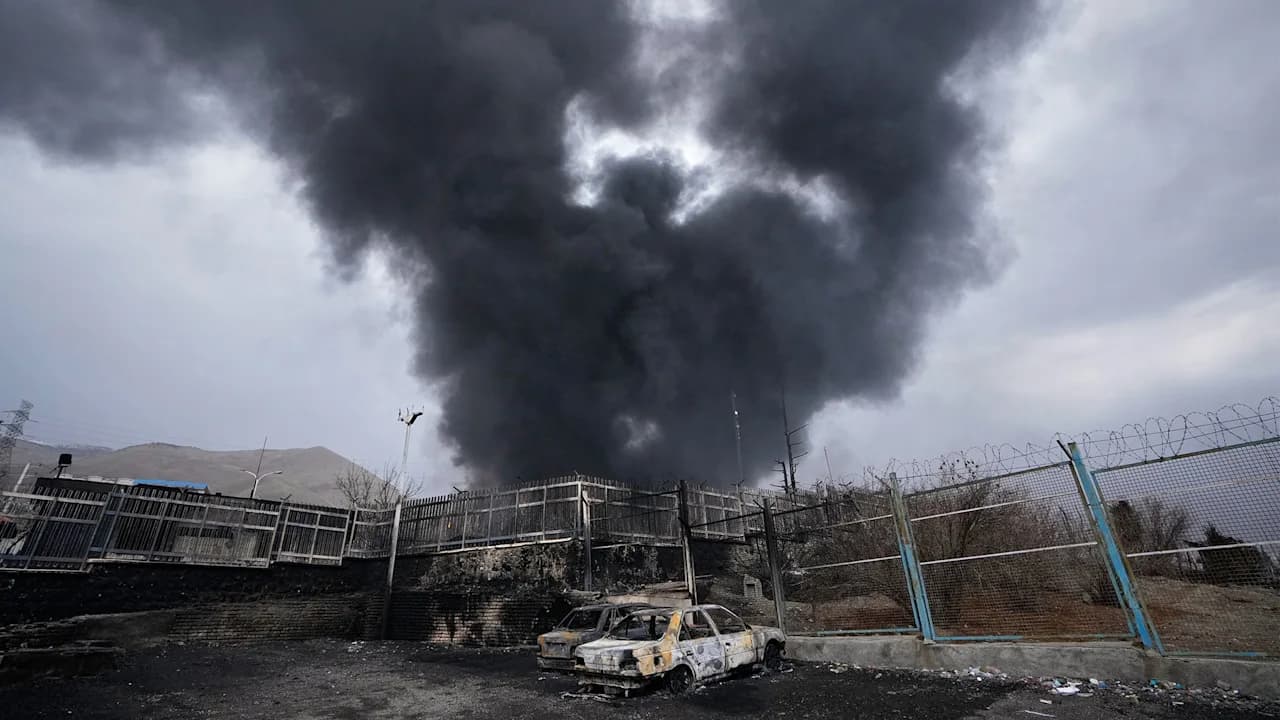
Photo via Fast Company
Nuclear negotiations between Iran and the United States have stalled despite earlier optimism, according to reports from the Associated Press. President Trump criticized Iran's approach to talks this week, suggesting the nation needs to reconsider its negotiating strategy. The breakdown in diplomatic efforts raises concerns about continued energy market volatility.
Global oil costs have already begun spiraling upward due to Middle East tensions. Pakistan's weekly petroleum import bill has ballooned from $300 million to $800 million—a 167% surge—as regional conflicts disrupt energy markets. Such dramatic price increases have immediate consequences for businesses worldwide that depend on stable fuel costs for operations and transportation.
Atlanta's logistics and transportation sectors face particular pressure as energy expenses climb. For companies managing supply chains, distribution networks, and freight operations throughout Georgia and the Southeast, higher fuel costs directly impact profit margins and shipping rates. Regional retailers and manufacturers that rely on cost-predictable transportation face budget pressures during what could be an extended period of elevated energy prices.
European officials estimate geopolitical disruptions are costing their economy roughly $600 million daily, with concerns emerging about potential jet fuel shortages. If energy markets remain unstable, Atlanta-based businesses with international operations, aviation services, and energy-dependent industries should prepare contingency plans and monitor fuel surcharges closely in the coming weeks.