Photo via Fast Company
Atlanta-area homeowners relying on outdated electric resistance heating systems may be paying significantly more than necessary. According to analysis from the Rocky Mountain Institute, a single-family home using electric resistance heat could save approximately $1,530 annually by switching to a modern heat pump system—translating to roughly $23,000 in savings over the equipment's lifetime. The shift would also reduce strain on Georgia's power grid during peak demand periods, a growing concern as the state's population and energy consumption continue climbing.
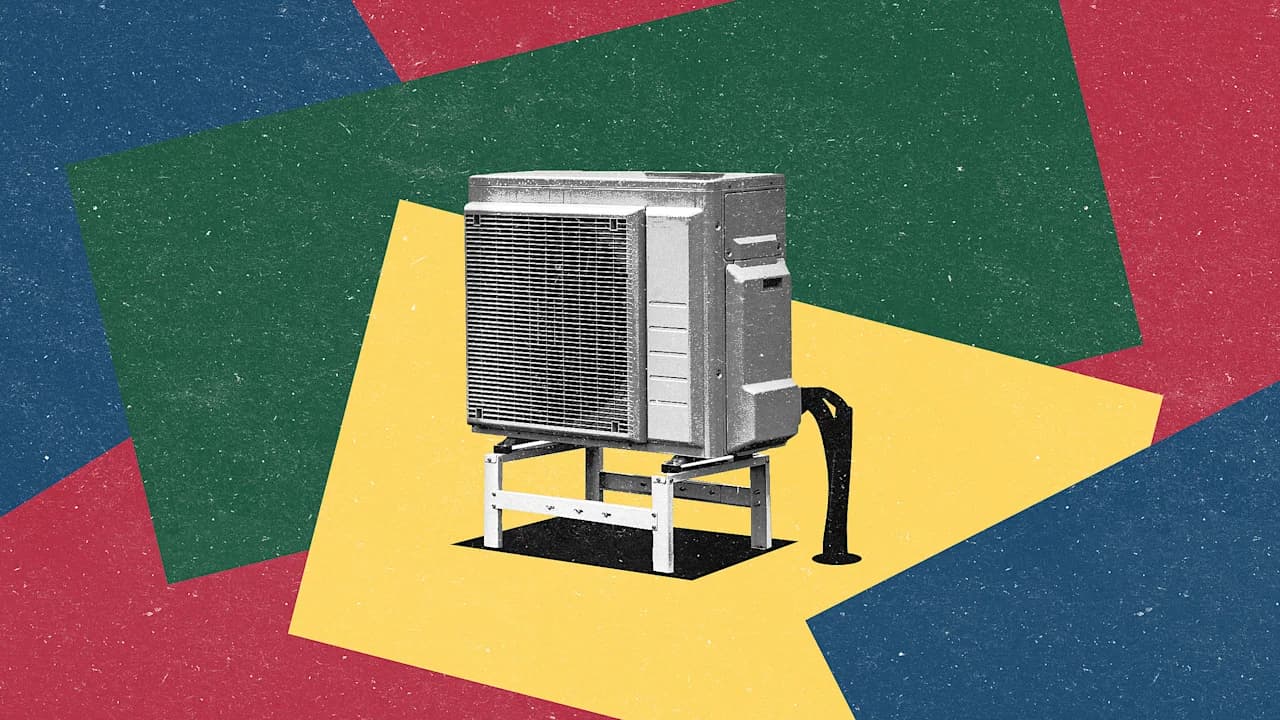
Electric resistance heaters operate with the same basic inefficiency as a toaster, converting electricity directly to heat at relatively low efficiency rates. Despite this drawback, roughly 25 million American homes still rely on this technology for space heating, while 57 million use it for water heating. Heat pumps, by contrast, achieve roughly three times greater efficiency by transferring heat rather than generating it, while simultaneously providing both heating and cooling capabilities. New models are also approximately 20 percent more efficient than conventional air conditioning units.
Georgia utilities and local governments are beginning to offer incentives to encourage the transition away from older heating systems. The RMI's Green Upgrade Calculator allows Atlanta residents to estimate potential savings at their specific address, factoring in local electricity rates and climate conditions. Similar programs in other states, such as Ameren Missouri's 'pay as you save' initiative, cover upfront equipment costs and allow customers to repay expenses through monthly installments that still come out lower than previous utility bills.
Emerging startups are working to reduce the primary barrier to heat pump adoption: installation costs. Companies like Jetson have cut typical installation expenses roughly in half, from $30,000 to $15,000 in some cases, with incentives potentially bringing costs as low as $5,000. For Atlanta-area residents concerned about upfront expenses, these cost reductions combined with utility rebates and financing options are making the transition increasingly accessible. As Georgia's energy infrastructure evolves, heat pump adoption could prove instrumental in managing grid reliability while reducing household energy expenses.