Photo via Fast Company
Negotiations between the United States and Iran have stalled as the two nations remain locked in a standoff over the critical Strait of Hormuz shipping lane. According to reports, Iran has proposed ending its blockade of the waterway but has stopped short of addressing its nuclear program—a key concern for U.S. officials. The impasse has left Pakistan-led mediators working to bridge substantial gaps between the parties, though progress remains elusive.
The ongoing dispute is already affecting global energy markets. Oil prices climbed Monday as the stalemate persisted despite a ceasefire agreement, according to the Associated Press. For Atlanta-based companies in logistics, transportation, and energy sectors, elevated oil costs could pressure margins and operational budgets in the months ahead. The U.S. military's Central Command has turned around 38 ships during the blockade, further constraining global supply chains.
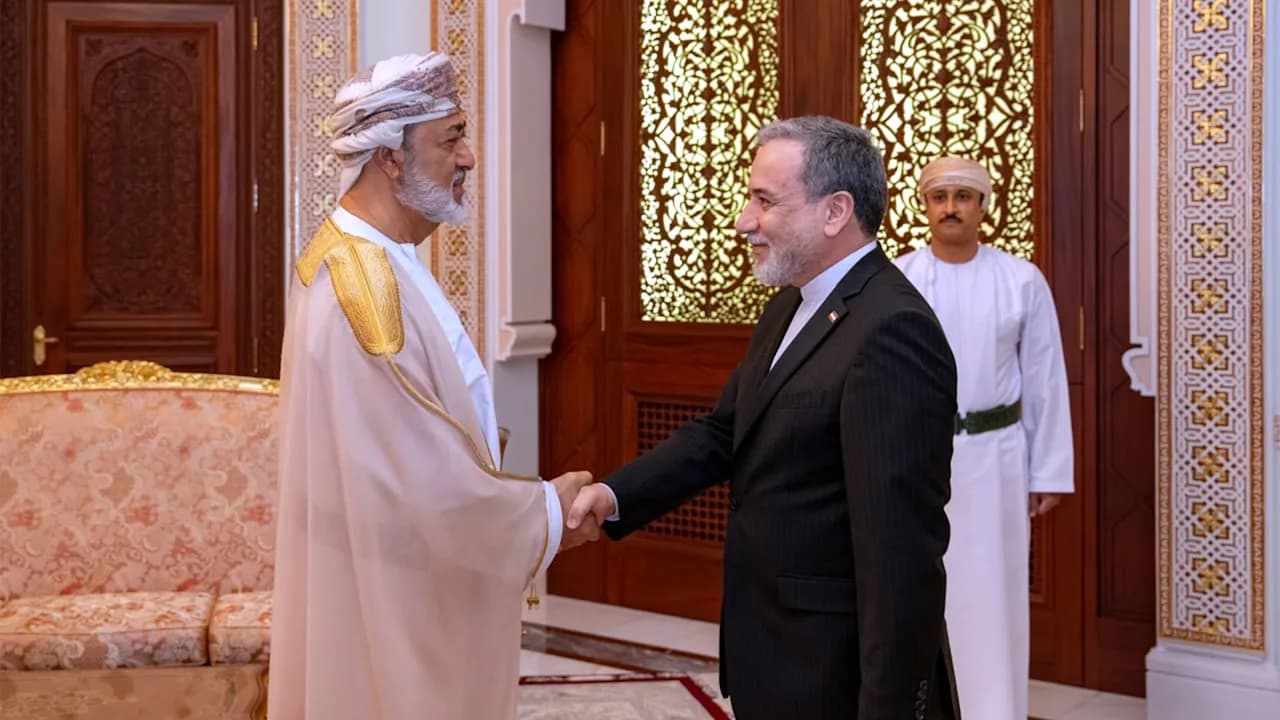
The diplomatic situation deteriorated when President Trump canceled plans to send top envoys to Islamabad for negotiations after Iran demanded the U.S. lift its blockade of Iranian ports before talks could resume. Meanwhile, Iran's Foreign Minister Abbas Araghchi was shuttling between Russia, Pakistan, and Oman on Monday, signaling Moscow's involvement in mediation efforts. The interconnected nature of these negotiations suggests resolution could take considerable time.
Beyond economics, the regional conflict has exacted a significant human toll. According to the Associated Press, thousands have been killed across Iran, Lebanon, Israel, and neighboring Gulf states since the conflict began. For Atlanta businesses with Middle Eastern operations or supply chain dependencies in the region, the uncertainty underscores the need for contingency planning and risk assessment strategies.