Photo via Fortune
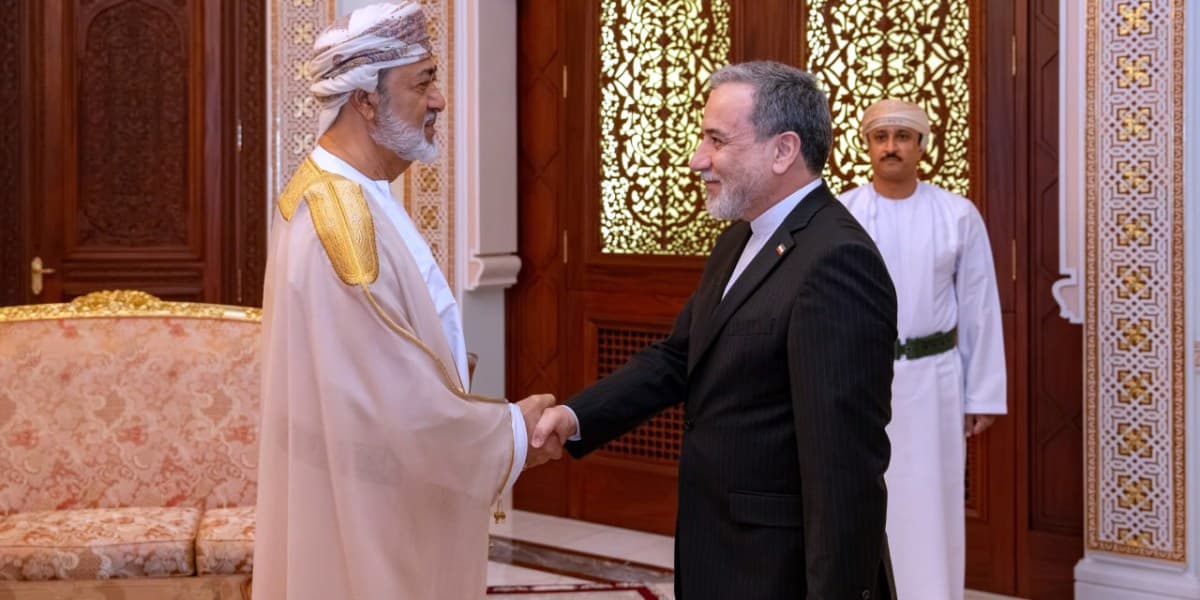
According to Fortune, Iran's foreign minister Abbas Araghchi made an unexpected return to Pakistan's capital this week, signaling intensive diplomatic efforts surrounding ceasefire negotiations involving the United States. The sudden departure and return created uncertainty around planned talks, underscoring the volatile nature of current Middle East negotiations that have ripple effects across global commerce.
For Atlanta-based businesses with international supply chains, the geopolitical maneuvering carries real consequences. The Strait of Hormuz remains a critical chokepoint through which roughly one-fifth of global oil and liquefied natural gas passes. Any disruption to shipping or energy flows through this region directly impacts energy costs and logistics timelines for Southeast companies reliant on stable commodity prices and predictable shipping schedules.
The reported negotiations involving Pakistan, Iran, and overtures toward Oman suggest regional powers are attempting to establish frameworks for managing tensions and potentially new trade arrangements. According to the report, discussions include considerations around toll arrangements for shipping through the Hormuz Strait—a development that could alter shipping costs for Atlanta importers and affect energy prices at regional fuel terminals.
Atlanta business leaders monitoring international developments should pay attention to how these talks progress. Uncertainty in Middle East geopolitics typically drives volatility in energy markets and shipping costs. Companies with exposure to energy, logistics, or international trade may want to stress-test their supply chain resilience and review hedging strategies as diplomatic efforts continue in coming weeks.