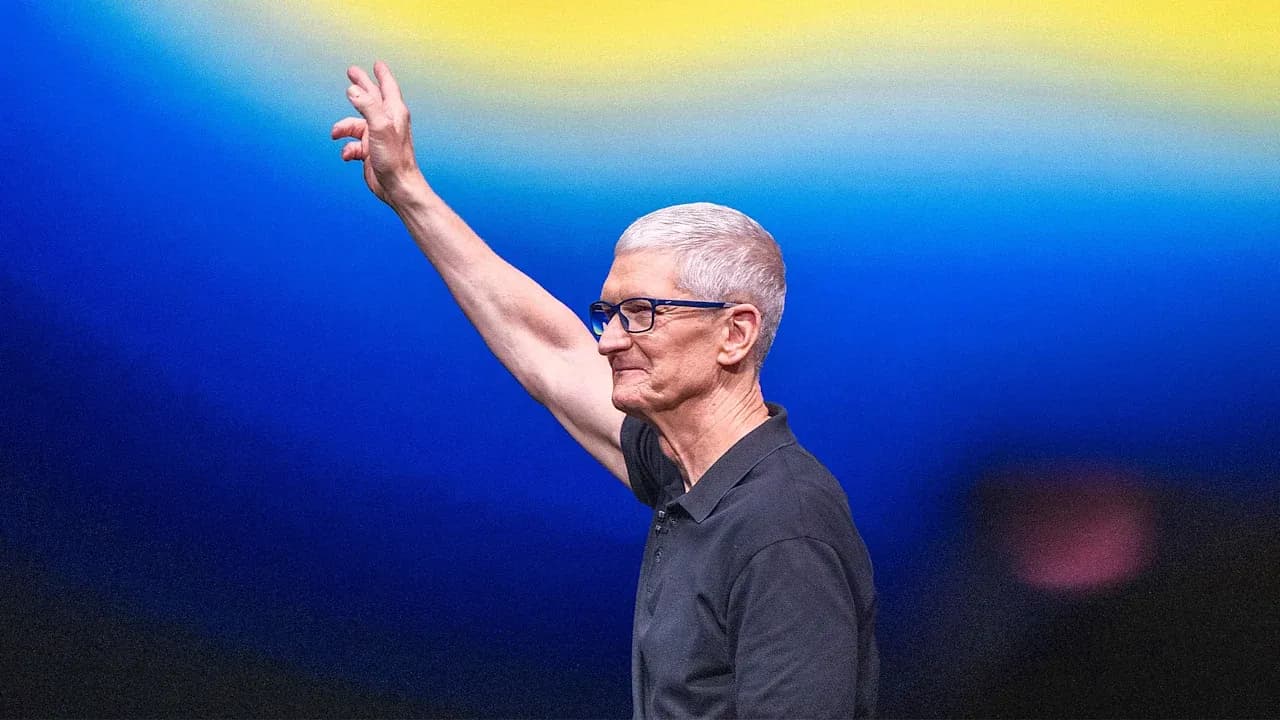
Photo via Fast Company
Apple's decision to promote John Ternus from senior vice president of hardware engineering to CEO represents a broader corporate trend. According to a 2026 succession planning study by Egon Zehnder examining 500 global CEO appointments, promoting leaders from within the organization has become the dominant strategy. The research reveals that 82% of CEOs appointed over the past decade were internal candidates, suggesting that most boards view homegrown talent as the safer bet for leadership transitions.
The data tells a compelling story about when companies look inward versus outward. Among first-time CEOs, 88% were promoted internally, indicating confidence in developing talent from within. However, experienced CEOs tell a different story—nearly half came from outside their organizations. This pattern suggests that boards typically pursue external candidates when seeking strategic shifts or new directions, while internal promotions signal continuity and stability. Ternus's advancement signals Apple's intent to maintain its product-focused strategy.
Atlanta business leaders planning succession should note that internal appointments come with a tenure advantage. According to the Egon Zehnder study, internally promoted CEOs serve an average of 82.43 months compared to 73 months for external hires—roughly 10 months longer. This longer tenure suggests that organizations may benefit from investing in leadership pipelines that identify and develop future executives from within their existing talent base.
For regional companies evaluating succession strategies, the takeaway is clear: building a strong bench of internal candidates prepares organizations for smooth transitions while reducing the time needed for new leaders to acclimate to company culture. Whether Atlanta-based firms should follow this model depends on their strategic goals, but the data suggests that well-executed internal promotions offer measurable benefits in leadership stability and continuity.