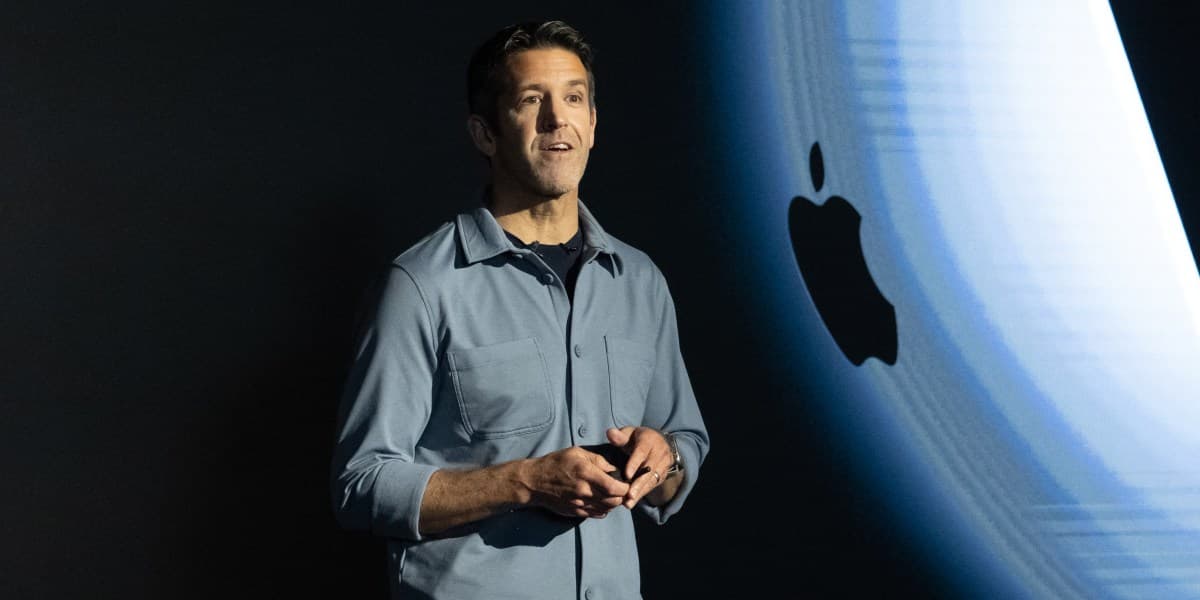
Photo via Fortune
According to Fortune, the recent wave of CEO transitions across the Fortune 500 reveals a striking preference for internal promotion over external recruitment. Companies are increasingly turning to executives who have spent years climbing the ranks, signaling a return to stability and institutional knowledge during uncertain economic times. This represents a notable departure from the trend of seeking high-profile outside talent, which dominated the C-suite hiring landscape in previous years.
For Atlanta's significant corporate community—home to headquarters including UPS, Delta Air Lines, and The Home Depot—this internal promotion trend offers meaningful context. Companies based in the Southeast with deep bench strength in their management ranks may have competitive advantages in executing smooth leadership transitions, while those lacking strong pipeline development could face recruitment challenges in an increasingly selective market.
The preference for company veterans suggests boards are prioritizing continuity, cultural alignment, and proven execution over the allure of outside perspective. This approach carries lower onboarding risk and typically results in faster decision-making, as internally promoted leaders already understand company operations, stakeholder relationships, and strategic direction. For Atlanta business leaders, understanding this shift is critical when evaluating succession planning and leadership development within their own organizations.
As this trend solidifies across the nation's largest companies, Atlanta-based executives focused on advancement should recognize that demonstrating long-term commitment, building cross-functional relationships, and mastering their company's strategic priorities remain essential for CEO consideration. Similarly, boards evaluating succession plans would be wise to assess the strength of their internal leadership pipelines as a key competitive advantage.