Photo via Fortune
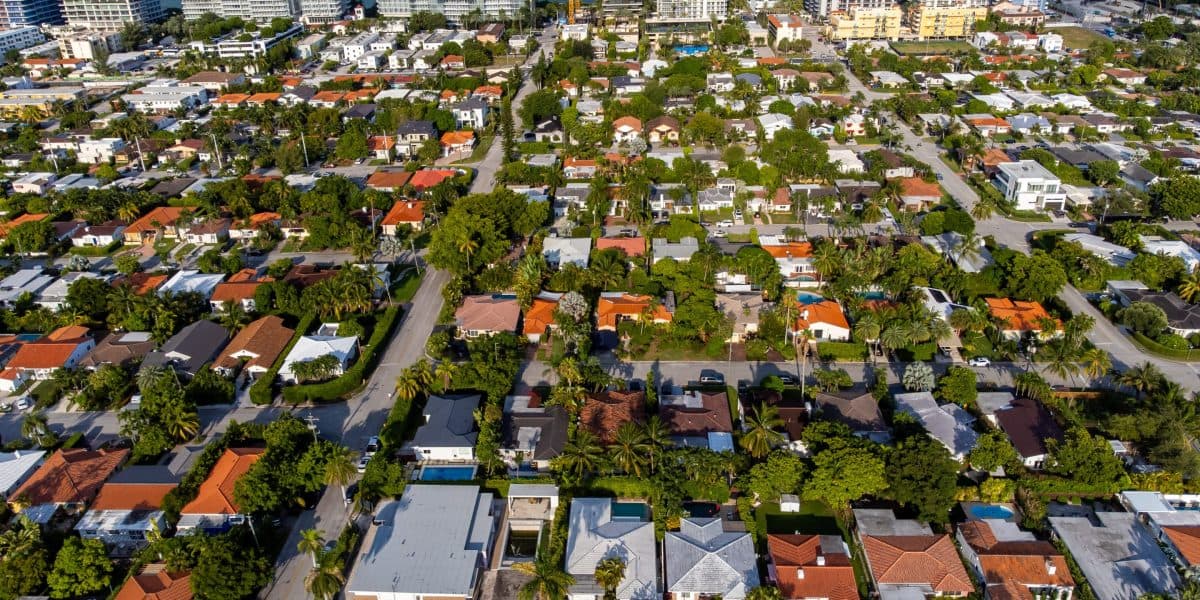
Florida's post-pandemic migration boom is revealing the dark side of rapid population growth fueled by wealthy newcomers. According to Fortune, the influx of affluent residents relocating from other states has fundamentally altered Florida's housing market, creating conditions that are devastating for middle-income families and the broader economic ecosystem. This trend raises important questions for Atlanta's own rapidly expanding real estate market, which has similarly attracted high-income transplants seeking lower taxes and business-friendly policies.
The mechanism is straightforward: when wealthy residents concentrate in a market, they drive up property values across the board, making entry-level and middle-market housing increasingly unaffordable for existing residents and younger professionals. This dynamic has fractured Florida's previously stable middle class, forcing families to relocate or live in financial precarity. Atlanta's technology and finance sectors have similarly attracted out-of-state capital and talent, with corresponding pressure on housing affordability in neighborhoods like Midtown, East Atlanta, and surrounding areas.
Beyond individual hardship, the economic consequences extend to workforce stability and business resilience. When essential workers—teachers, healthcare providers, service industry employees—cannot afford to live in their communities, labor shortages and operational challenges follow. Atlanta's healthcare systems, schools, and hospitality sector should be paying close attention to how Florida's experience could serve as an early warning system for regional labor market disruptions.
For Atlanta business leaders and real estate investors, Florida's housing crisis offers a crucial data point: unchecked appreciation driven by wealthy newcomers can destabilize the broader economy and create social friction that threatens long-term prosperity. Strategic planning around inclusive housing development and workforce affordability may prove essential to sustaining Atlanta's competitive advantages as a business hub.