Photo via Fortune
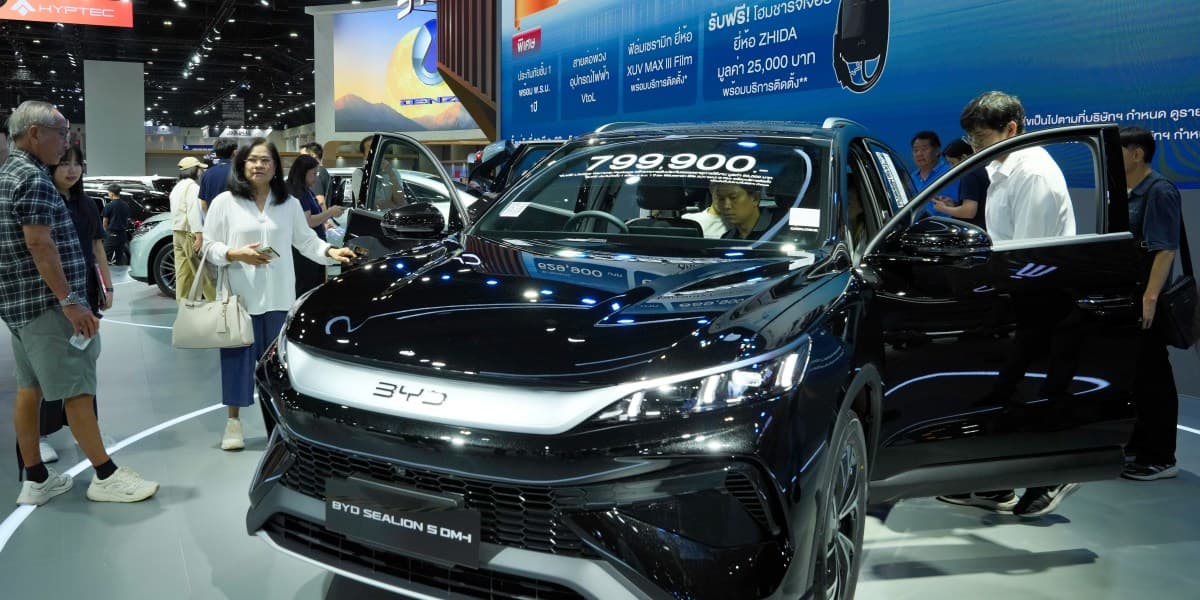
The automotive landscape in Southeast Asia is undergoing a dramatic transformation, with Chinese electric vehicle manufacturers gaining unprecedented market share. According to Fortune, BYD, China's leading EV producer, captured the highest number of orders at the Bangkok Auto Show in early April, marking the first time the company has surpassed Toyota in orders at the prestigious event. This milestone underscores the accelerating shift toward electrified transportation in the region.
The surge in Chinese EV adoption across Southeast Asia reflects broader geopolitical and economic factors reshaping global energy markets. An energy crisis in Iran and broader concerns about energy security have prompted Southeast Asian nations to accelerate their transition away from traditional fuel sources. This urgency is creating favorable conditions for EV manufacturers who can deliver vehicles at scale, positioning BYD and competitors advantageously in a rapidly expanding market.
For Atlanta-area automotive suppliers and manufacturers, this international trend carries important implications. As Chinese EV makers expand their footprint globally, domestic suppliers face mounting pressure to innovate and compete on cost and technology. Companies throughout the Southeast that serve the automotive sector should monitor how these market dynamics influence U.S. manufacturers' competitive strategies and supply chain decisions.
The Bangkok Auto Show results suggest that the competitive advantage in automotive manufacturing is shifting, with implications for American industry leadership. U.S. automakers and their supply chains must contend with well-capitalized Chinese competitors offering aggressive pricing and rapid product development cycles. For Atlanta businesses connected to automotive manufacturing or logistics, staying ahead of these global trends will be essential for maintaining competitiveness in coming years.