Photo via Fast Company
Construction companies nationwide are facing a workforce crisis that threatens project timelines and budgets—a challenge particularly acute in Atlanta's rapidly growing real estate market. According to U.S. labor data, the median construction worker is 42 years old, with 45% of the workforce over 45. As this experienced generation retires, younger workers aren't filling the gap quickly enough, creating widespread delays and cost increases. A four-person startup called Crewline is betting that autonomous equipment could be the solution, having recently secured $7.1 million in seed funding and a waitlist representing over $26 million in potential annual contracts.
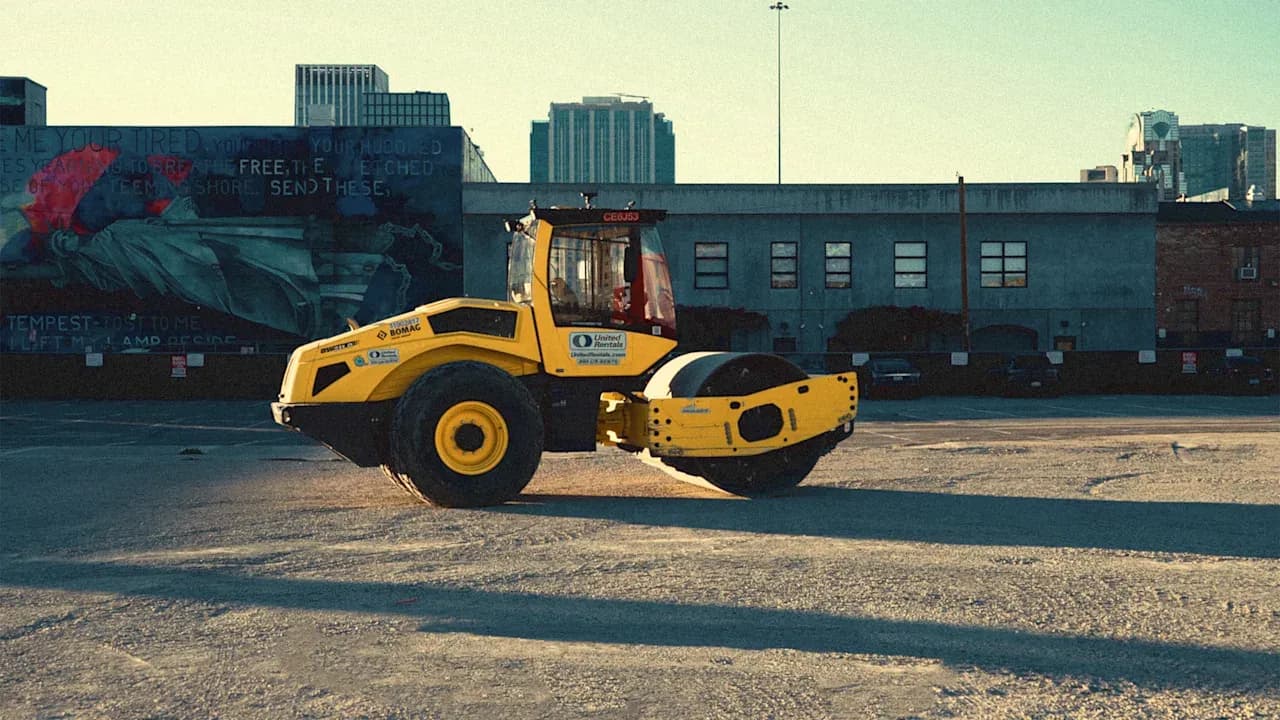
Crewline's approach focuses narrowly on earthworks equipment—specifically drum rollers and dozers—rather than attempting to solve autonomous driving comprehensively. The company's aftermarket robotic system installs on existing machinery in about an hour without requiring any rewiring. During a 30-day pilot at an Austin airport expansion, Dynamic Site Solutions reduced daily downtime from six hours to under one hour, nearly doubling productive time while maintaining a perfect safety record. The key advantage: unlike self-driving cars navigating unpredictable open roads, construction sites are controlled environments where machines operate in predictable patterns.
The technology relies on a five-layer safety system combining stereo cameras, cloud-based vision-language models, and geofencing that keeps equipment within designated work zones. Foremen simply draw virtual boundaries on an iPad and activate the job. According to the source article, construction productivity has declined more than 30% since 1970 while manufacturing surged through automation—a gap Crewline aims to close. The system also addresses chronic operational issues: human operators need lunch breaks and restroom time, and frequently miss shifts entirely, leaving expensive equipment idle.
Crewline plans to deploy 100 autonomous rollers by year's end and launch autonomous bulldozers next year. The company's ultimate vision involves autonomous equipment communicating seamlessly across job sites, with real-time digital twins updating as work progresses. For Atlanta contractors grappling with labor shortages and rising project costs, this technology could reshape how and when building occurs—potentially enabling around-the-clock site preparation and accelerating development timelines across the region.