Photo via CNBC Business
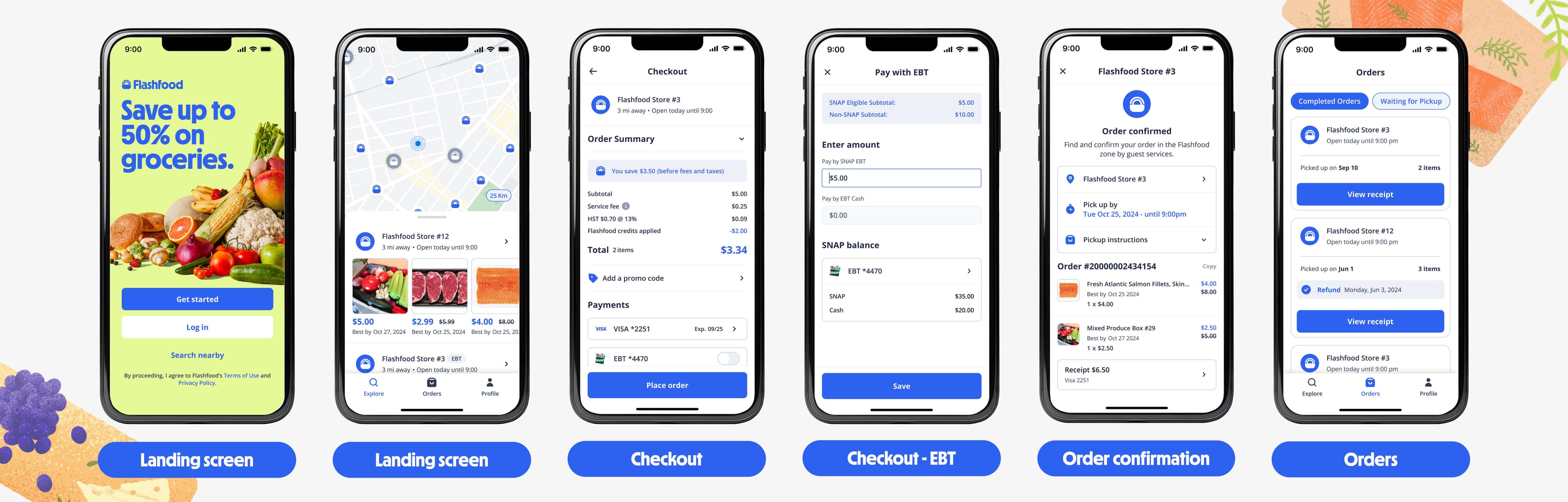
Grocery retailers across the country, including operators with significant Atlanta-area presence, are turning to artificial intelligence as a strategic tool to address one of retail's most persistent challenges: food waste. According to CNBC Business, grocers are deploying AI-powered pricing systems that adjust product costs in real time, allowing them to move aging inventory before it reaches the markdown threshold. This technology-driven approach helps retailers balance profitability with sustainability concerns that increasingly matter to consumers.
The dynamic pricing model works by analyzing multiple data points—including product shelf life, demand patterns, competitor pricing, and seasonal trends—to automatically recommend optimal discount levels. For Atlanta-based grocery operators competing in one of the Southeast's most competitive retail markets, this capability offers a meaningful advantage. By strategically discounting items approaching expiration, grocers can convert would-be waste into revenue rather than loss, ultimately protecting margins that have faced pressure from changing consumer shopping habits.
Food waste represents a significant cost center for the grocery industry, with retailers typically absorbing losses when products spoil before sale. AI systems reduce this burden by identifying the precise discount needed to drive purchase decisions without unnecessarily eroding profit. The technology also helps grocers respond quickly to deal-seeking shoppers who have become increasingly price-sensitive in recent years, enabling them to remain competitive while maintaining healthier bottom lines.
As Atlanta's retail landscape continues to evolve with new competition from e-commerce and discount operators, grocers implementing these AI solutions gain a competitive edge in both operational efficiency and customer appeal. Retailers who successfully integrate intelligent pricing systems position themselves to weather margin pressures while demonstrating environmental responsibility—a combination increasingly important to modern consumers and investors alike.