Photo via Fast Company
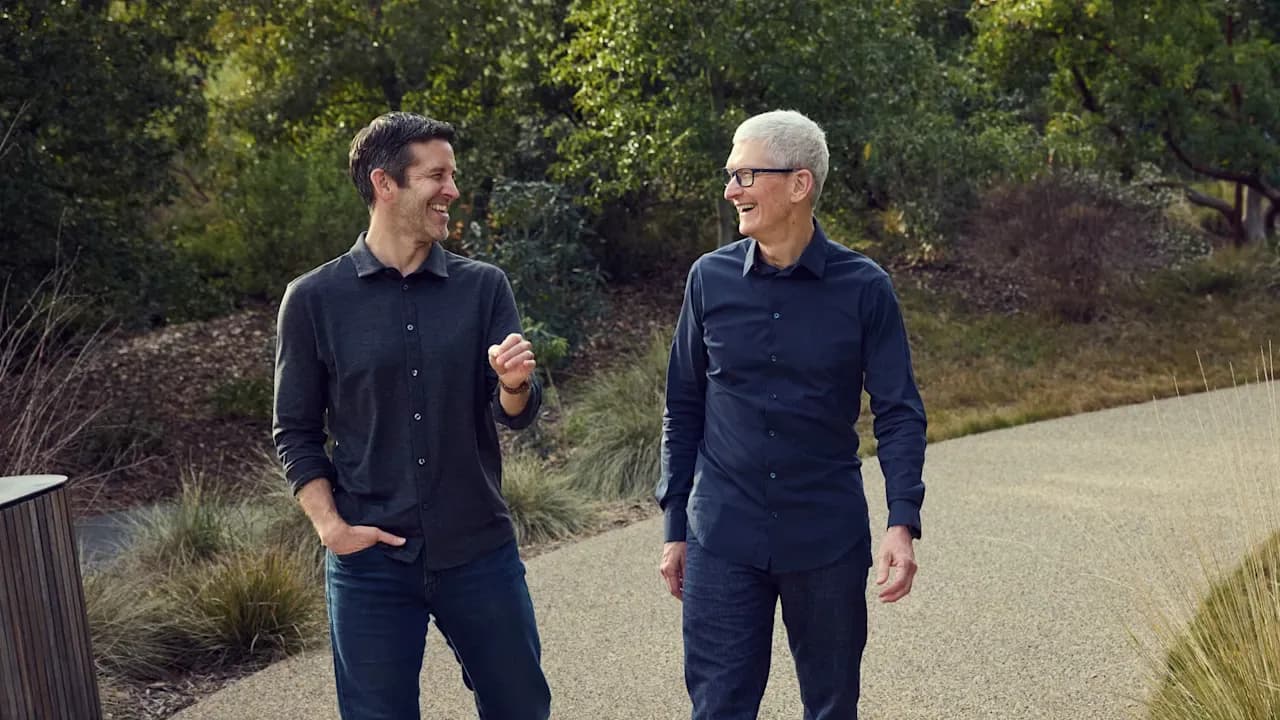
Apple announced this week that senior VP of engineering John Ternus will assume the CEO role in September, with current leader Tim Cook transitioning to executive chairman. The leadership change marks a significant moment for the tech giant, though it carries far less drama than Cook's own ascension to the top job in 2011. According to Fast Company, this transition presents an opportunity to reassess where Apple stands—particularly in areas where the company has underperformed in recent years.
Ternus brings impressive credentials in hardware development, having joined Apple in 2001 and overseeing product lines including the MacBook Pro redesigns powered by Apple's custom silicon chips. His track record includes delivering consistent year-over-year improvements across physical products. However, observers note that Apple's software division has not matched this same trajectory of excellence during Cook's tenure. From the infamous 2012 Apple Maps launch to recent delays in promised AI features, the company has accumulated a notable list of software missteps that a new leader could address.
The most pressing challenge facing Ternus involves artificial intelligence and machine learning. Apple introduced Apple Intelligence at last year's WWDC conference with ambitious promises about a more personalized Siri, but eight months later, many of those features remain unavailable. The company's recent decision to partner with Google's Gemini to power Siri suggests internal struggles with developing competitive AI capabilities. For Atlanta-area tech professionals and businesses relying on Apple's ecosystem, these delays underscore broader questions about Apple's ability to innovate in the AI era.
Industry analysts find reason for cautious optimism about Ternus's prospects. The company has already made leadership changes in its design and AI departments, bringing in executives with stronger track records. Ternus's deep expertise in hardware-software integration—an area where Apple historically excels—could position him to better coordinate these divisions. His challenge will be demonstrated through Apple's June WWDC keynote, which will be the last under Cook's leadership and a crucial statement about the company's software direction moving forward.