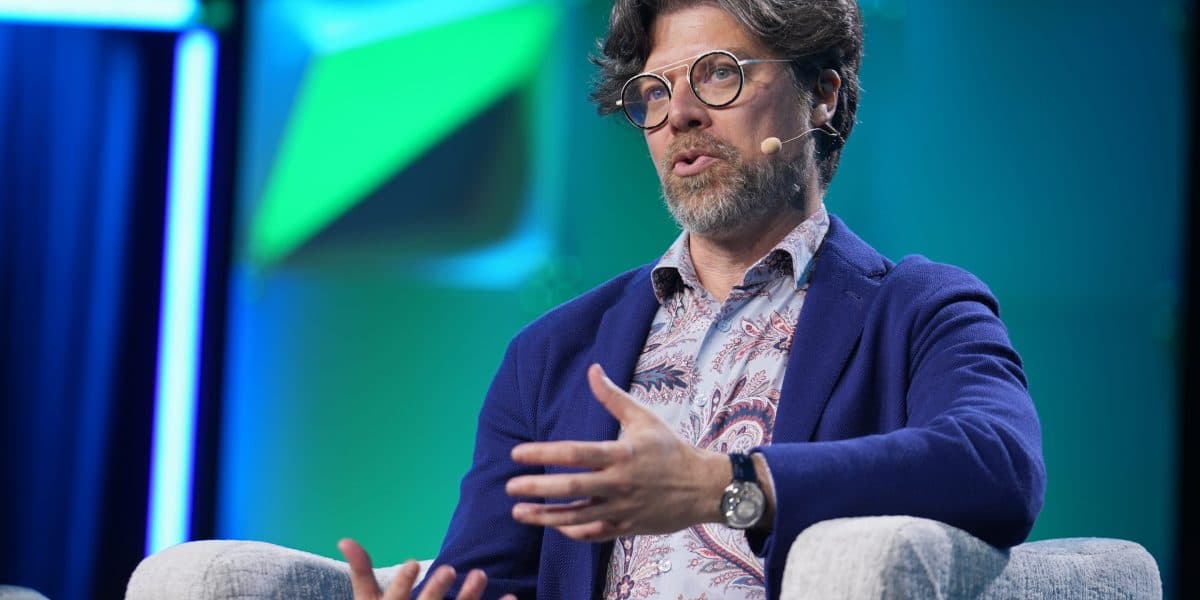
Photo via Fortune
An Nvidia executive has raised a sobering reality check for companies betting big on artificial intelligence: the infrastructure required to run AI systems currently costs significantly more than employing human workers for equivalent tasks. According to Fortune, this assessment comes as major technology companies have committed $740 billion in capital expenditures this year, much of it directed toward AI infrastructure and deployment.
The economics present a paradox for Atlanta's growing technology sector. While AI promises revolutionary productivity gains, the upfront computational costs remain staggering. Companies investing in data centers, GPUs, and supporting infrastructure face enormous expenses before seeing any measurable return on investment. For smaller Atlanta-based tech firms and startups, these barriers to entry could slow AI adoption compared to well-capitalized competitors.
What makes this assessment particularly significant is the absence of demonstrated widespread productivity improvements to justify these massive expenditures. Despite unprecedented capital investments, companies have yet to deliver concrete evidence that AI is delivering the transformative productivity gains that justify the cost. This gap between promise and performance creates uncertainty for Atlanta business leaders evaluating their own AI strategies.
For Atlanta's corporate leadership and technology investors, the takeaway is clear: AI adoption requires careful financial analysis beyond the hype. Organizations should scrutinize projected productivity gains and conduct thorough cost-benefit analyses before committing substantial resources. As the technology matures and compute costs decline, the equation may shift, but for now, the human workforce remains financially competitive in many applications.