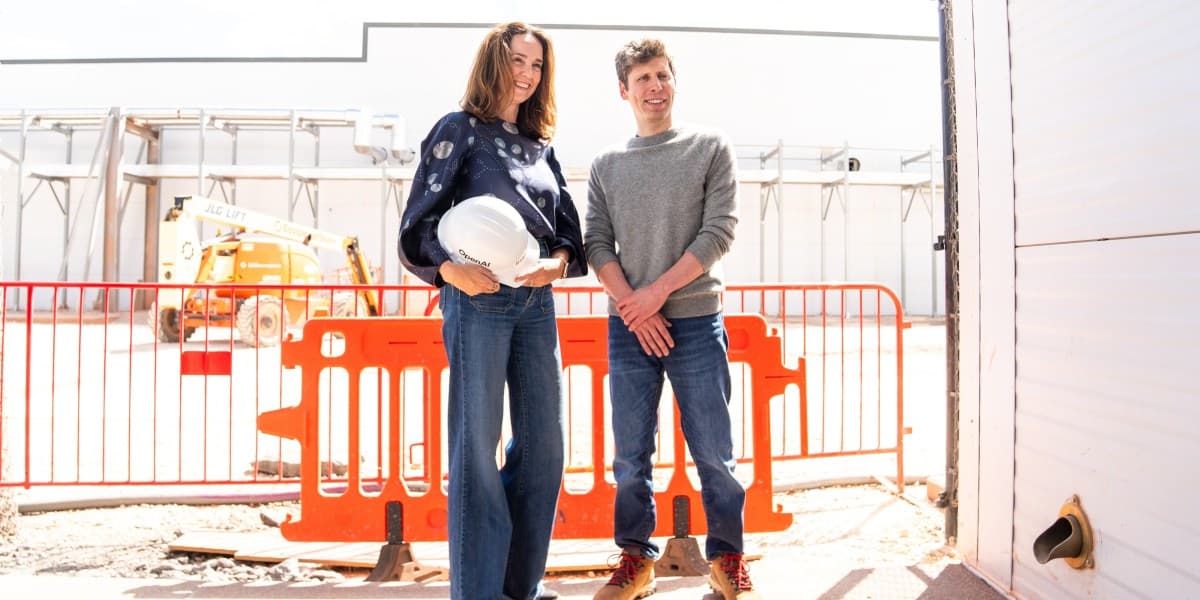
Photo via Fortune
According to Fortune, OpenAI's chief financial officer and CEO Sam Altman are reportedly at loggerheads over the company's failure to meet revenue projections, underscoring the financial pressures mounting within one of the AI industry's highest-profile players. The disagreement signals deeper challenges around monetization strategy and operational discipline as the company scales.
The tension arrives as the broader AI sector faces a reckoning on capital expenditure. Industry analysts project that AI infrastructure spending will reach $660 billion globally, a staggering sum that reflects the computational demands required to train and deploy advanced AI systems. For Atlanta-based technology companies and investors tracking the sector, this spending trajectory illustrates both the opportunity and the risk inherent in AI development.
OpenAI's internal friction underscores a critical tension facing AI-focused enterprises: the gap between massive infrastructure investments and revenue generation timelines. Companies must balance the need for significant capex to remain competitive with stakeholder expectations for near-term financial returns—a challenge that will likely reshape how venture capital and corporate budgets approach AI initiatives.
For Atlanta's growing tech ecosystem, the OpenAI situation offers a cautionary case study. As local startups and established firms invest in AI capabilities, leaders should carefully assess both their capital requirements and realistic revenue projections to avoid similar conflicts between growth ambitions and financial accountability.