Photo via Fast Company
Tools for Humanity, the company behind World ID, is positioning itself as a solution to a looming problem: how to verify human identity in an age of deepfakes and autonomous AI agents. Founded in 2019 by OpenAI CEO Sam Altman and others, the company has issued 18 million World IDs to date through its Orb scanning kiosks, which capture iris and facial biometrics. According to the company, traditional CAPTCHA verification is becoming obsolete as AI systems grow more sophisticated, and a more robust form of identity verification will become essential infrastructure.
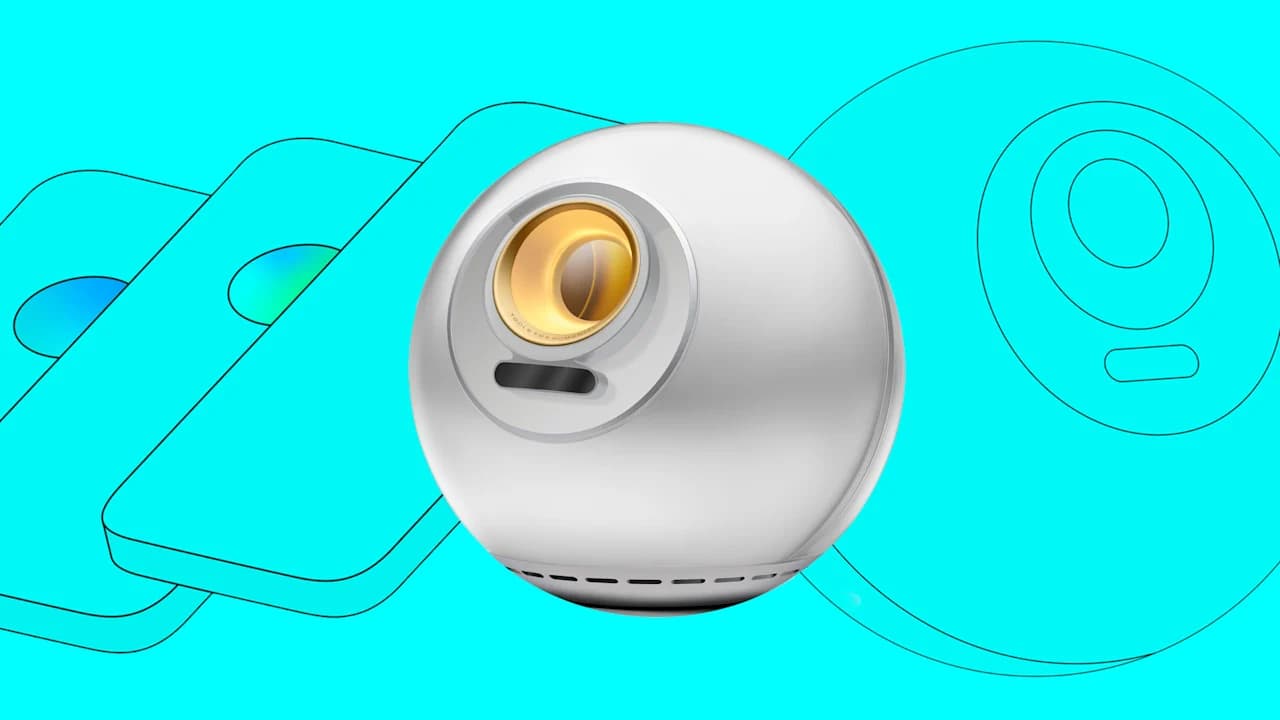
The company announced major platform partnerships at a recent San Francisco event, including integrations with Zoom, DocuSign, and Tinder—services that touch millions of users daily for video meetings, document signing, and online dating. These partnerships suggest World ID could become embedded in everyday digital activities. The company is also testing a smartphone-based verification option and developing a smaller portable device to complement the current large-scale Orb stations found in nearly 400 locations globally, including flagship stores designed to resemble art galleries.
Privacy and regulatory concerns have shadowed World ID's expansion. Multiple countries including Brazil, Hong Kong, and Spain have suspended or impeded operations over biometric data stewardship questions. However, the company's privacy model doesn't require users to share personal information like names or email addresses; biometric data is transferred to users' devices and deleted from company servers. Verification occurs through single-use codes, meaning companies learn only that a user's humanity has been vouched for, not their identity.
The core challenge remains adoption. Until significantly more than the current 18 million users verify, major platforms won't adopt World ID as their default verification method, and consumers won't see need for the credential. Atlanta-area businesses evaluating digital security infrastructure should monitor these developments, as biometric identity verification may become a standard requirement alongside existing authentication protocols within the next 12–24 months.