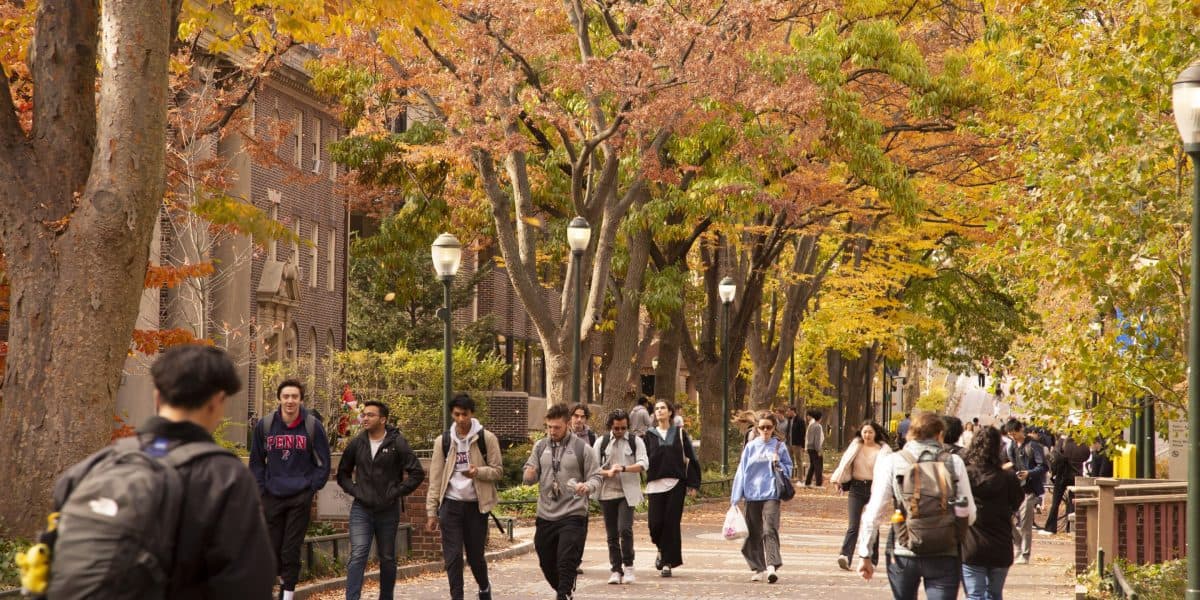
Photo via Fortune
As artificial intelligence continues to reshape the professional landscape, a growing number of students are strategically repositioning themselves to remain competitive. According to reporting from Fortune, a 20-year-old college student recently made the deliberate choice to shift her major toward marketing—a decision rooted in the belief that certain skill sets will prove more resilient in an AI-driven economy.
The shift reflects a broader mindset emerging among younger workers who recognize that technical proficiency alone may no longer guarantee job security. For Atlanta's thriving tech and corporate sectors, this trend has clear implications: employers may need to recalibrate hiring priorities and training investments toward roles emphasizing interpersonal skills, strategic thinking, and creativity—areas where human judgment still holds significant value.
According to the student's reasoning, success in tomorrow's workplace will depend less on coding ability and more on the ability to communicate effectively, build meaningful relationships, and approach problems with genuine critical thinking. These distinctly human capabilities represent the foundation of what increasingly appears to be an "AI-proof" career strategy for those entering the workforce.
For Atlanta-area business leaders and professionals, the message is clear: cultivating soft skills and focusing on uniquely human contributions to the workplace isn't just advantageous—it may be essential. Organizations that recognize and reward these competencies will likely attract and retain talent better positioned for long-term success in an AI-augmented workplace.