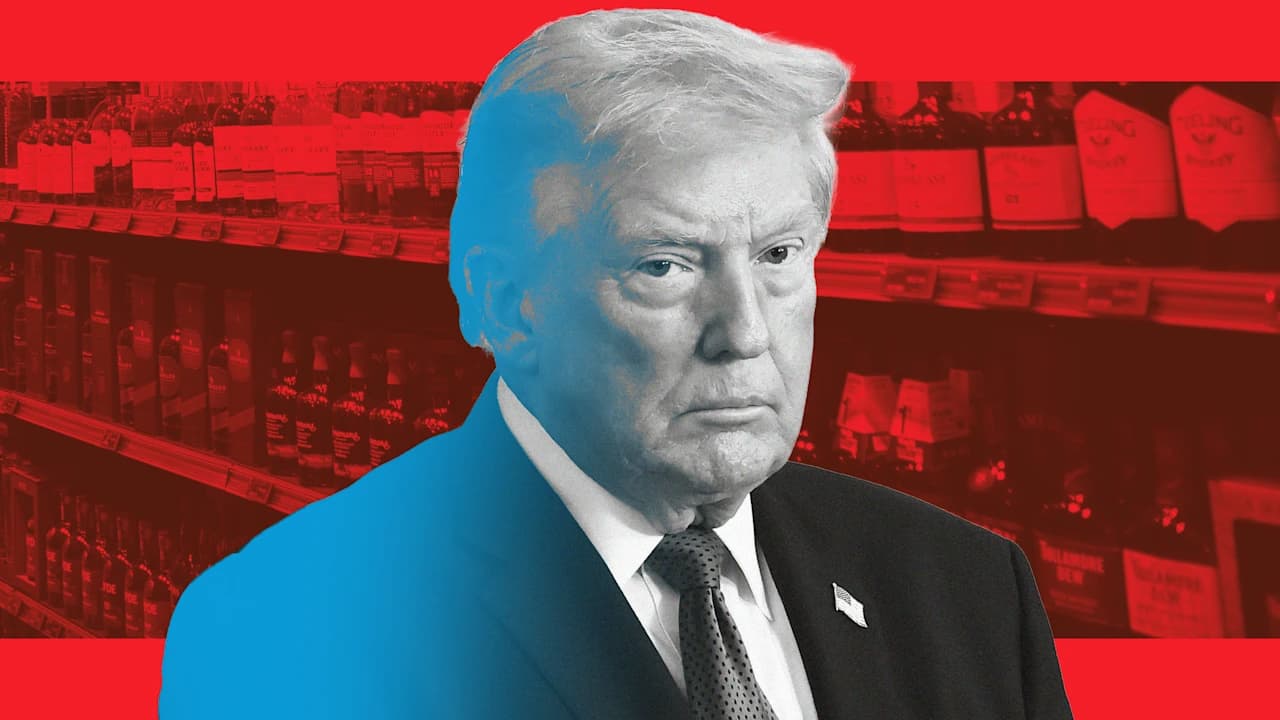
Photo via Fast Company
The U.S. spirits industry is reeling from a dramatic shift in its second-largest export market. According to the Distilled Spirits Council of the United States (DISCUS), American whiskey exports to Canada have plummeted nearly 70 percent—from approximately $250 million annually to just $89 million. The collapse accelerated sharply between March and December 2024-2025, when exports fell from $203 million to $60 million, representing a $143 million loss in roughly nine months.
Canadian provincial liquor systems removed American spirits from shelves following tariff disputes, and many have kept them off shelves even after some tariffs were lifted. This sustained ban has elevated Canada's ranking as a whiskey destination from second to sixth place globally. Major brands including Jack Daniel's and Jim Beam, both household names for Atlanta retailers and consumers, have responded with production slowdowns and workforce reductions as they adjust to the loss of a historically reliable market.
The impact extends far beyond headline export numbers. Kentucky produces 95 percent of the world's bourbon supply and generates $9 billion annually, supporting over 23,000 jobs. However, even major corporations like Suntory (which owns Jim Beam and Maker's Mark) and Brown-Forman (Jack Daniel's parent company) have reported declining sales and warned of softer global demand. Smaller brands face even steeper challenges—premium whiskey producer Uncle Nearest has become insolvent, while contract distiller MGP Ingredients reports sharp drops in orders.
The tariff fallout creates cascading complications throughout the production process. Master distillers must navigate supply chain disruptions affecting everything from barrel sourcing to finishing casks used in aging bourbon. As DISCUS CEO Chris Swonger noted, the industry thrives in tariff-free environments, and the current trade tensions threaten the decades-old tradition of cross-border spirits consumption that has benefited both nations' economies.