Photo via Fast Company
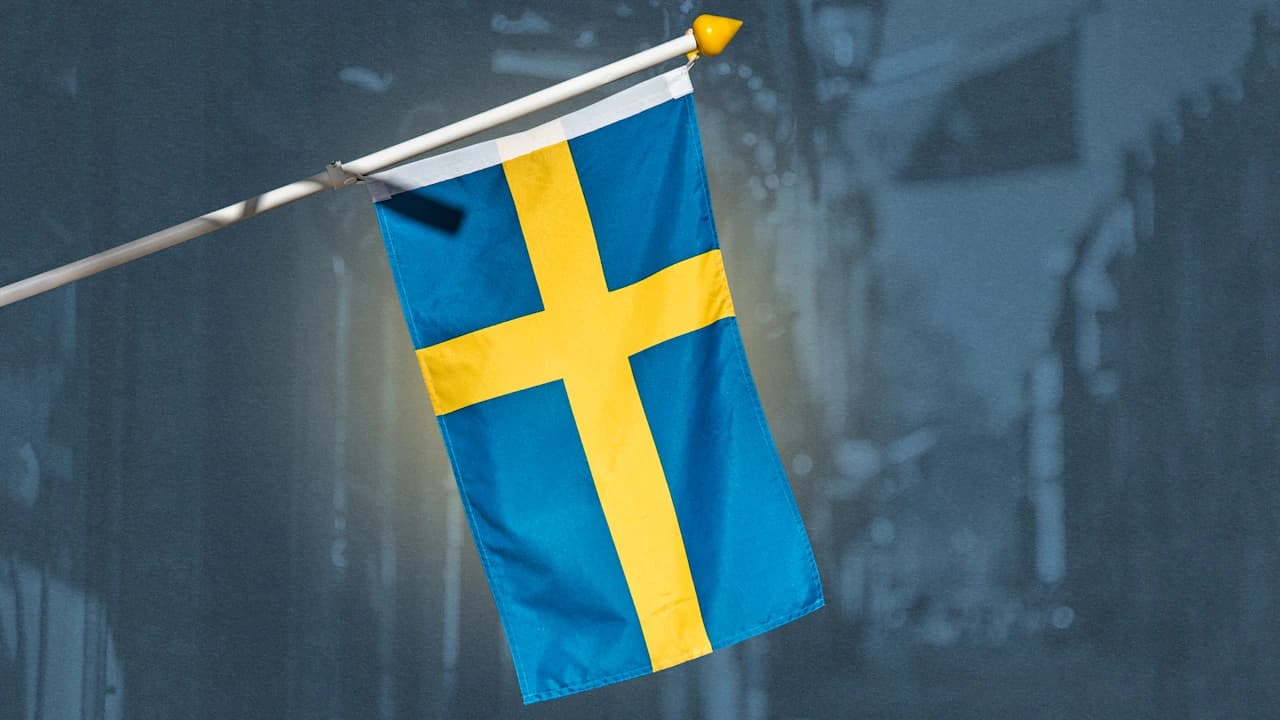
Sweden punches well above its weight in the startup world. With a population of just over 10 million, the country now ranks in the top 10 globally for unicorn companies and leads Europe on a per-capita basis, with more than 46 billion-euro startups. Stockholm rivals Silicon Valley in its concentration of valuable startups per resident. For Atlanta entrepreneurs watching Silicon Valley's "grow at all costs" ethos dominate venture capital, Sweden's alternative approach offers a refreshing case study: sustainable profitability can outperform breakneck expansion.
The Swedish model diverges fundamentally from conventional startup wisdom. Rather than chasing visibility and market dominance through aggressive spending, Swedish founders emphasize clarity, restraint, and human-centered design as core business strategy. This isn't aesthetic polish—it's operational philosophy. Companies like Klarna, Spotify, and Byredo have built global followings by solving real problems intuitively, not by shouting loudest in crowded markets. For Atlanta's growing tech and fintech sectors, the lesson is that differentiation through elegant design can be more durable than capital-fueled growth.
Swedish businesses operate within three reinforcing principles that Atlanta leaders can adopt. First, democratize design by removing friction and intimidation from products, expanding markets without sacrificing quality. Second, "distil to amplify"—refine core ideas ruthlessly and execute that singular vision consistently across every touchpoint rather than adding features to mask weak concepts. Third, lead without ego by flattening hierarchies, embedding cross-functional teams in decision-making, and valuing all voices equally. These practices, according to the Stockholm School of Economics Business Lab, create psychological safety that accelerates innovation faster than traditional command-and-control structures.
The broader lesson for Atlanta's business community: Sweden's unicorn surge proves that sustainable innovation doesn't require the highest capital raises or the most explosive growth curves. It requires disciplined clarity, a design-forward mindset, and cultural structures that reward collaboration over hierarchy. As Atlanta continues building its startup ecosystem, founders should consider whether their competitive advantage comes from being loudest—or from being most thoughtfully designed for their customers' actual needs.