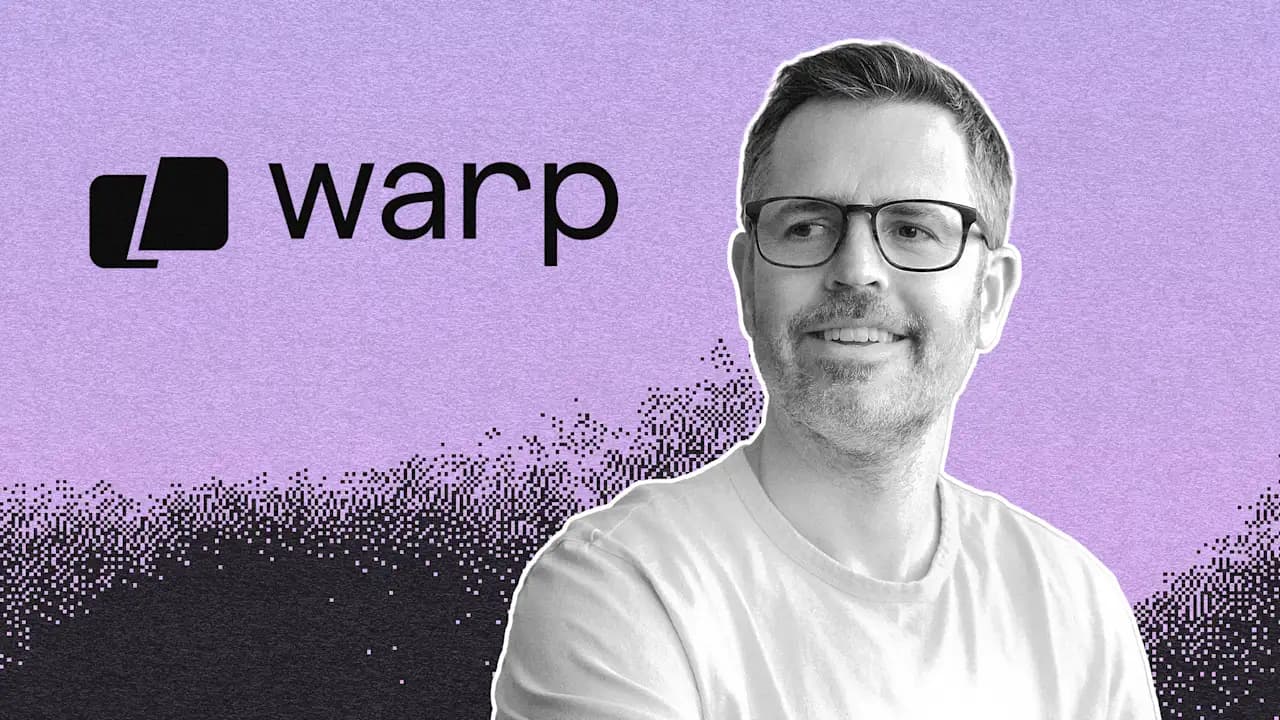
Photo via Fast Company
While many open source projects have begun restricting public code submissions due to quality concerns, Warp is charting a different course. The AI coding tools company is releasing its desktop agentic development environment as open source, actively encouraging developers to propose and build new features using artificial intelligence. This strategy reflects a growing recognition among Atlanta's tech community that collaboration—between humans and AI agents—may be the future of software development.
According to Warp founder and CEO Zach Lloyd, developers have highly diverse workflows and preferences, making it impossible for any single internal team to anticipate all user needs. By opening its platform, Warp aims to tap into its growing user base to accelerate feature development and customization. The company will manage contributions through a structured process: developers propose ideas on GitHub, AI agents help refine specifications and handle initial triage work, and Warp's human team makes final decisions on what gets built. This hybrid model could serve as a template for other Atlanta-based software companies looking to scale their development capabilities.
To support community contributions, Warp is offering to subsidize cloud computing costs through its Oz orchestration software, at least initially. Developers can choose to build locally using their own tools and submit pull requests when ready, or leverage Warp's cloud infrastructure for agent-assisted development. All code will undergo human and AI review before merging. Notably, Warp is keeping its proprietary cloud-based enterprise features and certain desktop elements private, ensuring its core business model remains protected while still gaining the benefits of open source collaboration.
The move represents a calculated business strategy beyond simple community goodwill. By showcasing its AI-powered development capabilities through a public, open source project, Warp can demonstrate the potential of agent-assisted software development to enterprise clients. For Atlanta's growing developer community and tech startups, this approach offers both a free tool and a glimpse into how AI is reshaping the future of coding.