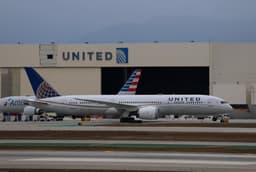
United Airlines CEO Scott Kirby has signaled a significant shift in the carrier's growth strategy, expressing doubt about the viability of acquiring smaller competitors. According to reporting from The New York Times, Kirby indicated that the operational and financial challenges of absorbing a regional airline may outweigh the benefits, particularly after American Airlines rejected an approach from United.
The commentary marks a notable departure from the consolidation trend that has dominated the airline industry over the past two decades. For Atlanta-based businesses and Hartsfield-Jackson Atlanta International Airport—the world's busiest by passenger volume—this strategic recalibration could influence competitive dynamics, pricing, and service offerings across domestic routes.
Kirby's reassessment reflects the operational complexities of airline mergers, including integration costs, fleet standardization, and potential regulatory scrutiny. The CEO's candid acknowledgment that smaller acquisitions may not justify their expense suggests the industry may be reaching a saturation point for consolidation deals, at least among major carriers.
The implications extend beyond United's boardroom. Atlanta's role as a major airline hub—home to Delta Air Lines' headquarters and a critical operational center for multiple carriers—means that national airline strategy directly affects local employment, airport investment, and the competitive environment for regional business travel.