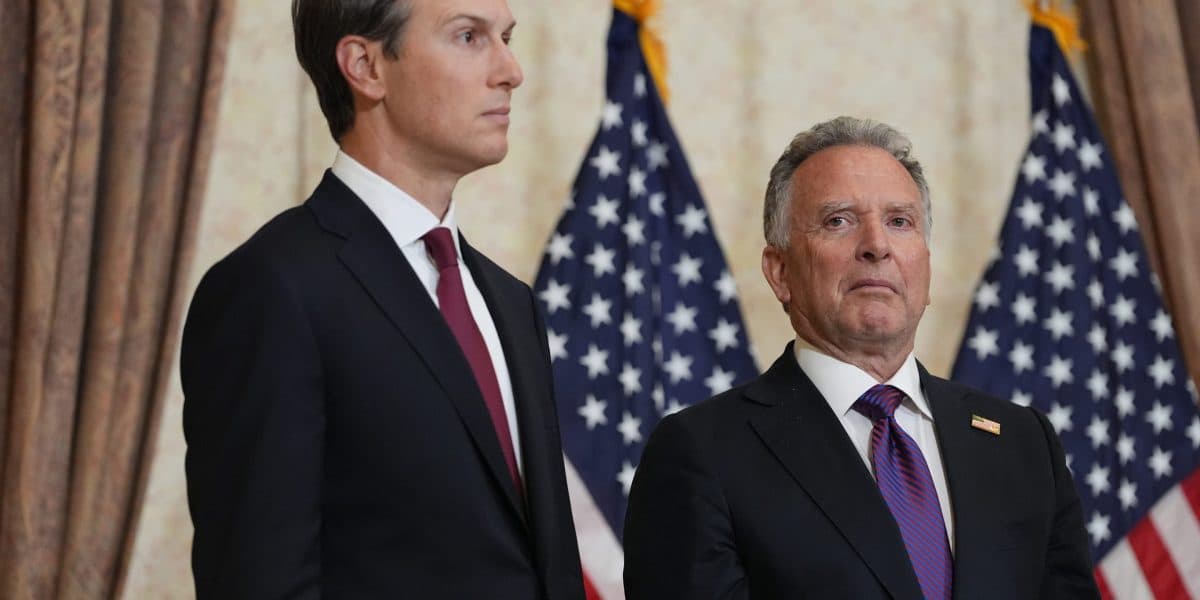
Photo via Fortune
President Trump announced Saturday that he has reversed plans to send senior advisors Steve Witkoff and Jared Kushner to Pakistan for Iran ceasefire negotiations, according to Fortune. The decision comes as preliminary talks have stalled before substantive discussions could begin, prompting Trump to reconsider the diplomatic effort.
In explaining the decision via social media, Trump emphasized efficiency concerns, stating that extended travel time was an inefficient use of resources. He suggested that any party genuinely interested in negotiating could initiate contact directly, removing the need for in-person preliminary meetings. The move reflects a preference for streamlined communication over traditional diplomatic protocols.
For Atlanta's business community, particularly firms with international trade exposure or energy sector investments in the Middle East, such diplomatic shifts carry potential implications. Disruptions to geopolitical negotiations can create market volatility and affect supply chains, foreign investment flows, and energy pricing—factors that touch Atlanta-based corporations and investors with global portfolios.
The decision underscores the unpredictability of current foreign policy approaches and underlines the importance for Atlanta business leaders to monitor geopolitical developments closely. Companies with exposure to Middle Eastern markets or energy commodities should assess how shifting diplomatic strategies might influence their operations, partnerships, and long-term strategic planning.