Photo via Fortune
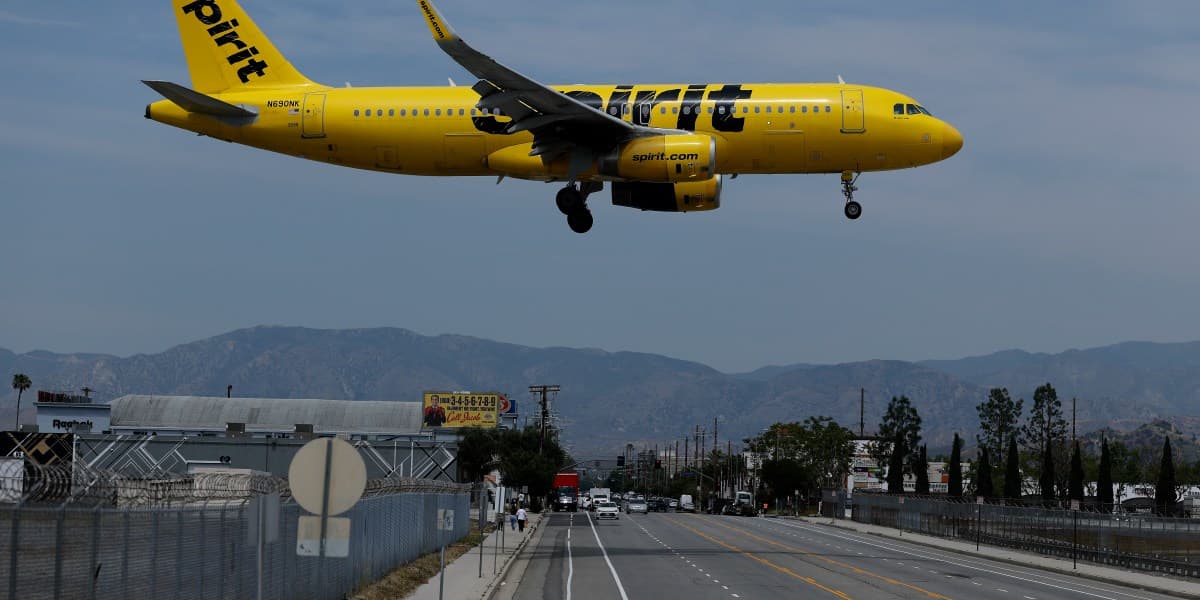
Spirit Airlines faces an existential financial crisis stemming from a perfect storm of industry headwinds, according to reporting from Fortune. The ultra-low-cost carrier, which operates flights from Atlanta's Hartsfield-Jackson International Airport, has struggled to recover from pandemic-related losses, a failed merger attempt, and recent spikes in jet fuel prices that have eroded already-thin profit margins.
The airline's business model—built on razor-thin fares and aggressive ancillary revenue strategies—has proven vulnerable to external shocks that larger, more diversified carriers can absorb. For Atlanta-area business and leisure travelers who have relied on Spirit's budget fares to destinations across the Southeast and beyond, the airline's financial distress signals potential service disruptions or fare increases if the carrier survives.
Speculation around a potential government bailout raises broader policy questions for the aviation industry. Critics argue that propping up struggling carriers through federal intervention could create moral hazard and distort competition, potentially disadvantaging well-managed competitors while rewarding poor strategic decisions and operational inefficiency.
The Spirit situation underscores growing instability in the ultra-low-cost segment of U.S. aviation. For Atlanta's business community—which depends on competitive airfares for employee travel and logistics—the potential consolidation or failure of budget carriers could reshape regional air travel options and pricing dynamics in the near term.