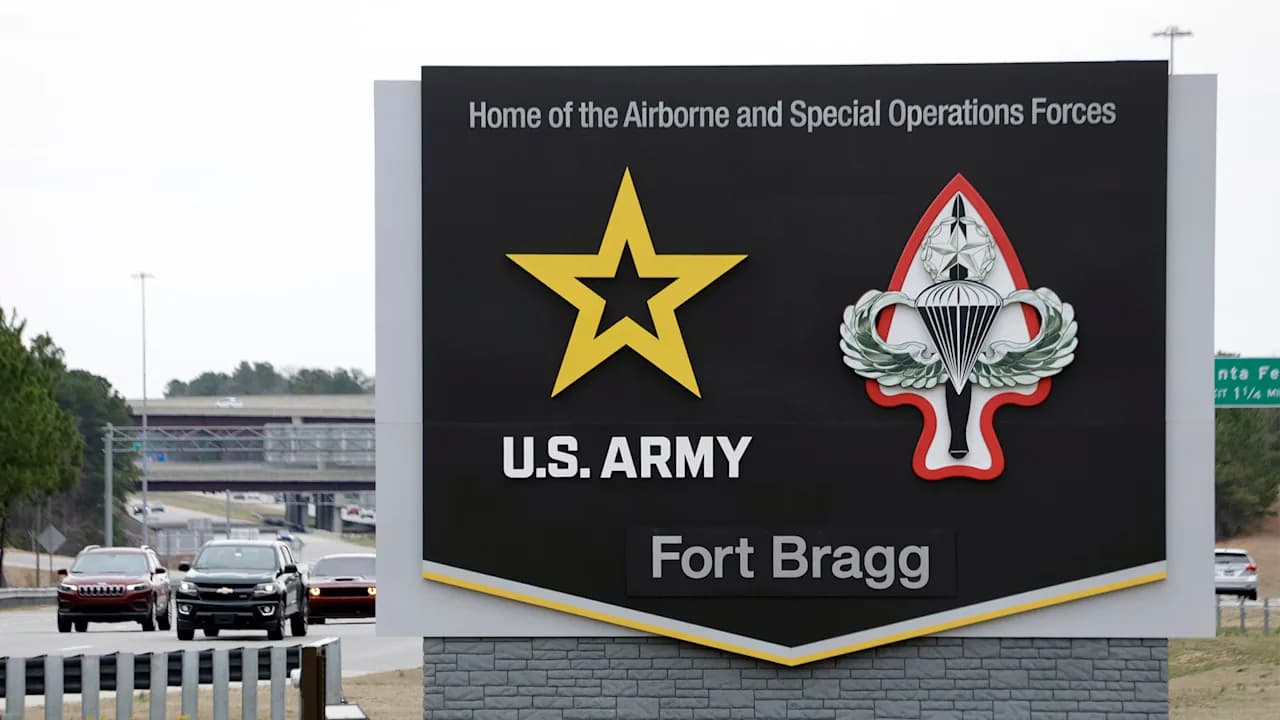
Photo via Fast Company
A master sergeant stationed at Fort Bragg has been indicted on multiple federal charges for allegedly leveraging classified information about a covert military operation to generate over $400,000 in profits through Polymarket, a leading prediction market platform. According to the Justice Department, Gannon Ken Van Dyke converted $32,500 into cryptocurrency and placed strategic bets on Venezuelan political developments in the days immediately preceding a classified military operation. The timing of his transactions—particularly high-volume betting on the night of January 2, just hours before the operation commenced—has drawn scrutiny from federal regulators and lawmakers concerned about information security breaches.
The Commodity Futures Trading Commission filed a parallel complaint alleging that Van Dyke moved funds into a cryptocurrency exchange account on December 26, roughly one week before the operation, then executed the majority of his bets between December 30 and January 2. Van Dyke is charged with unlawful use of confidential government information, theft of nonpublic data, commodities fraud, wire fraud, and unlawful monetary transactions. Following the operation's success, prosecutors say he attempted to obscure his tracks by transferring most winnings to foreign cryptocurrency vaults and requesting account deletion from Polymarket.
The case has intensified bipartisan calls for stricter regulation of prediction markets, particularly regarding geopolitical events including wars, assassinations, and terrorist attacks. This incident arrives amid other high-profile concerns, including reports of suspicious Iran-ceasefire betting and instances of congressional candidates wagering on their own election outcomes. The CFTC's chairman emphasized that the defendant's actions endangered national security and put American service members at risk, underscoring regulatory concerns about prediction market oversight.
The indictment underscores growing tensions between an emerging crypto-derivative industry and national security interests. As prediction markets gain mainstream adoption and investment—including backing from prominent political figures—questions about surveillance capabilities, user authentication, and insider-trading protocols have become urgent. For Atlanta-area financial professionals and compliance officers, this case signals potential upcoming regulatory changes that could affect emerging markets and cryptocurrency trading platforms operating within the region.