Photo via Fast Company
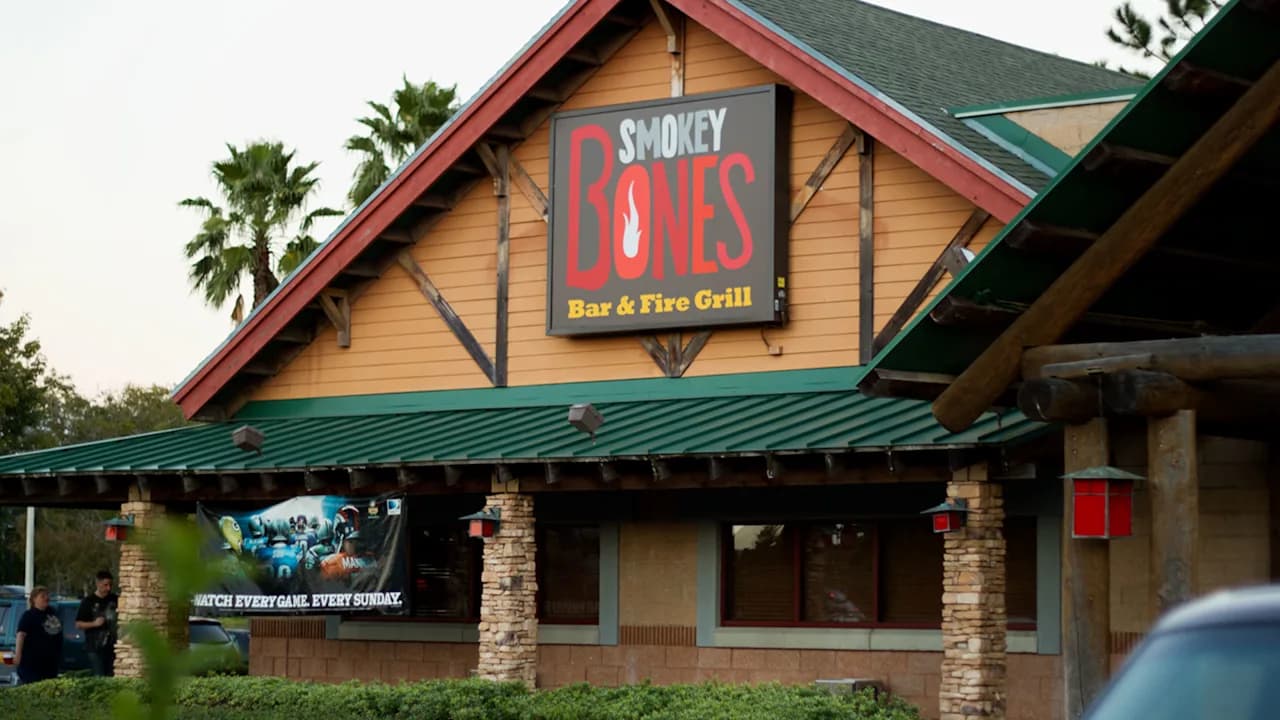
Smokey Bones Bar & Fire Grill, the nearly 30-year-old barbecue restaurant chain, has abruptly closed all remaining locations as of April 28, according to Fast Company. The closures affect 31 restaurants across 15 states, including two Georgia locations: one in Columbus and another in Lithonia. The move marks a significant downturn for the once-popular casual dining brand and comes just months after both Twin Hospitality Group—which directly owns Smokey Bones—and its parent company FAT Brands filed for Chapter 11 bankruptcy protection.
The shuttered restaurants displayed closure notices on their doors with minimal advance warning, catching customers and employees by surprise. FAT Brands, which also owns Fatburger, Great American Cookies, and Round Table Pizza, initially suggested in its January bankruptcy filing that it would close only underperforming locations while maintaining operations at other concepts. However, the complete closure of the entire Smokey Bones chain indicates a significant shift in the company's restructuring strategy.
The timing of these closures reflects broader challenges in the restaurant industry, particularly for established casual-dining chains struggling with changing consumer preferences and economic pressures. FAT Brands has reportedly found a successful bidder for all or part of its assets, according to recent court filings, signaling that asset sales may be necessary to navigate the bankruptcy process. The Smokey Bones closures underscore the vulnerability of mid-market restaurant franchises during periods of financial distress.
For Atlanta-area food service professionals and commercial real estate stakeholders, the Smokey Bones closures represent another data point in the ongoing consolidation and contraction of the casual-dining sector. The closure of the Lithonia and Columbus locations will likely result in job losses and could affect lease obligations for their respective properties. Industry observers should monitor FAT Brands' bankruptcy proceedings to understand how other chains in its portfolio—several of which operate in Georgia—may be impacted by the restructuring.