Photo via Fast Company
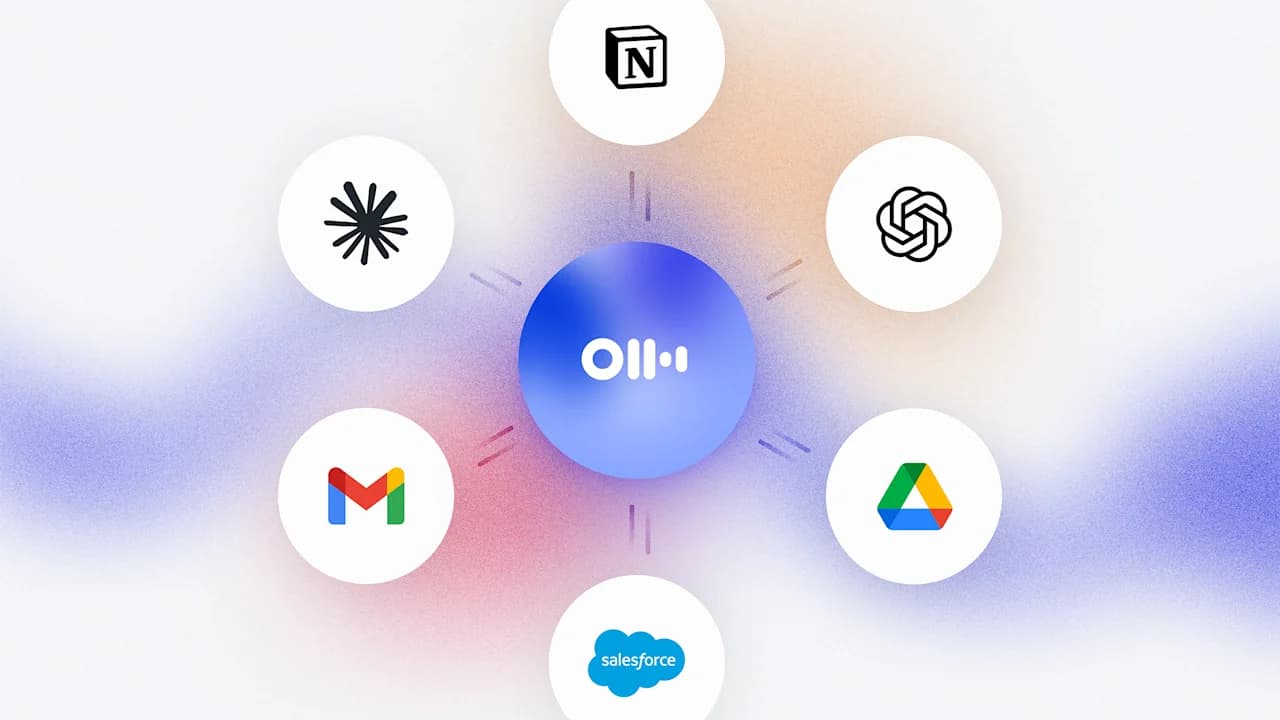
Otter, the AI-powered meeting transcription platform, is making a strategic push to become a central intelligence hub for enterprise organizations. The company is rolling out new features that allow its AI agents to access live data from widely-used business tools including Salesforce, Google Drive, Jira, and Notion, enabling the platform to pull contextual information from customer databases and other corporate systems when answering questions about recorded meetings.
For Atlanta-area companies managing distributed teams and complex sales operations, the update addresses a persistent workplace challenge: critical business information often lives exclusively in meetings rather than documented knowledge bases. According to Otter CEO Sam Liang, written documents quickly become outdated while meeting discussions capture the latest strategic updates and decisions. The new capabilities allow organizations to aggregate trends across multiple sales calls or departmental meetings, surfacing insights that individual employees might miss.
Otter is also opening its platform to other AI tools through the model context protocol (MCP), allowing ChatGPT, Claude, and other AI assistants to access meeting data with proper permissions. The company has implemented governance features including "channels" for shared access control and customizable data retention policies, addressing privacy and compliance concerns that many enterprises—particularly in regulated industries—face when broadly capturing meeting recordings.
The expansion comes as major players including Microsoft, Google, Slack, and Asana compete for central AI hub status within organizations. Otter differentiates itself through speaker-specific analysis, custom summarization templates, and the ability to derive actionable intelligence from hundreds of meetings. For growing Atlanta companies building scalable operations, the platform's focus on transforming ephemeral meeting conversations into accessible institutional knowledge offers a practical solution to knowledge fragmentation.