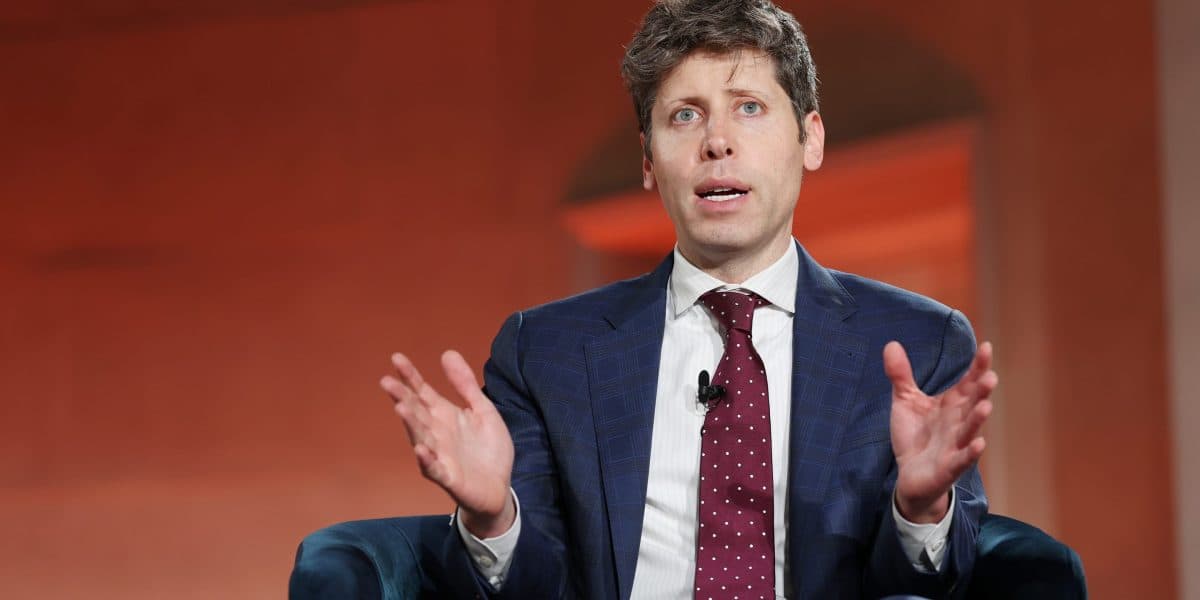
Photo via Fortune
OpenAI CEO Sam Altman has issued an apology to residents of Tumbler Ridge, British Columbia, after the company failed to alert local authorities about a mass shooter, according to Fortune. The incident underscores growing scrutiny of how artificial intelligence companies handle sensitive information and their obligations to law enforcement and public safety.
According to reports, OpenAI employees internally debated whether they should flag the individual to police but ultimately decided against taking action. The decision not to alert authorities raises critical questions about corporate responsibility when AI systems identify potentially dangerous behavior, an issue that extends beyond OpenAI to the broader tech industry grappling with similar ethical dilemmas.
For Atlanta's expanding tech and AI sector—home to growing machine learning operations and AI startups—this incident serves as a cautionary example. As local companies develop AI applications, they must establish clear governance frameworks and ethical guidelines for handling sensitive data and potential threats to public safety.
Altman's apology suggests OpenAI is reassessing its internal decision-making processes around public safety matters. How tech leaders in Atlanta and beyond respond to similar situations will likely influence regulatory approaches to AI oversight and corporate accountability in the coming years.