Photo via Fortune
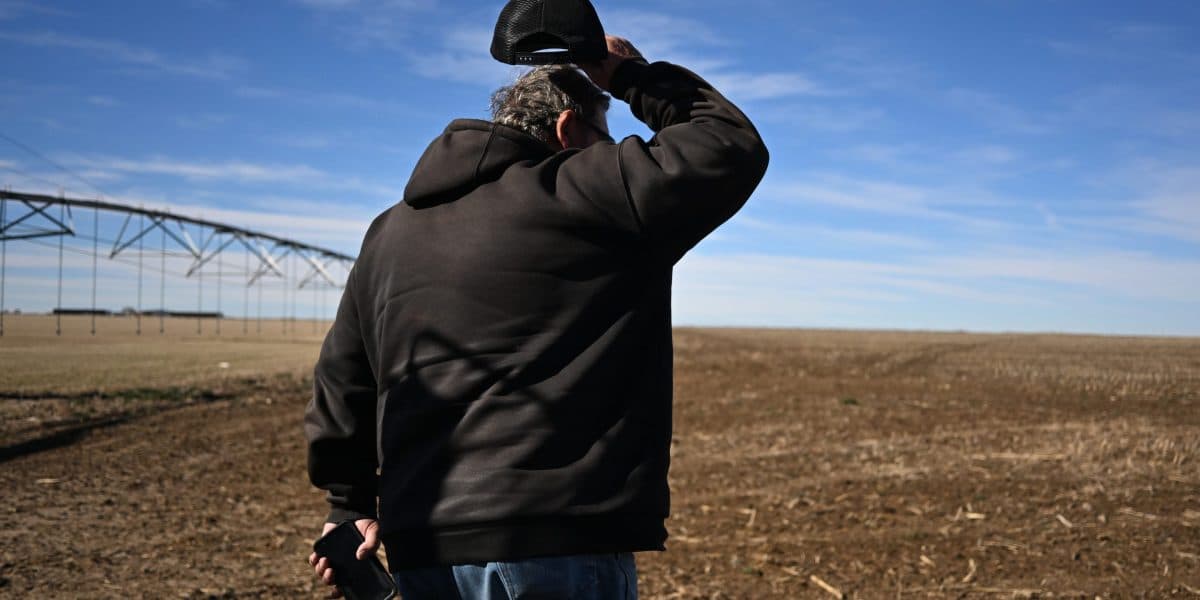
A severe spring drought is gripping the central United States, with Nebraska and Oklahoma experiencing unprecedented dry conditions that threaten the nation's agricultural output. According to Fortune, drought now blankets nearly 90% of Nebraska and Oklahoma, with more than half of Nebraska classified as experiencing 'extreme' drought conditions. These conditions are arriving at a critical time for U.S. wheat production and livestock operations.
The agricultural disruption has broader implications for Atlanta's business ecosystem. As a regional hub for food distribution, retail, and hospitality, the metro area relies heavily on stable commodity prices and consistent food supplies from the nation's breadbasket. Retailers, restaurants, and food processors operating in Atlanta could face higher input costs if the drought reduces yields and tightens supply.
Livestock operations in the affected regions are particularly vulnerable, with ranchers forced to manage herd sizes amid limited forage and water availability. The ensuing reduction in cattle and other livestock could elevate protein prices across the country, directly affecting Atlanta's food service industry and grocery chains that serve millions of residents.
Business leaders in Atlanta should monitor drought conditions closely as they may signal upcoming pressure on consumer prices and supply chain costs. Companies in food retail, logistics, and hospitality should prepare contingency plans and consider how commodity price volatility might impact their 2024 operations and margins.